Why German Heritage Still Matters For Your Kids (And Why Most Sources Get It Wrong)
By: Eran Fulson / Last Updated: May 14, 2026
When I was growing up, my German cultural identity wasn't a question I had to ask. The biggest tell was my grandparents slipping into German mid-anecdote, still in the flow of an English story, and not realising they had switched until they saw us blankly staring back at them.


There were other tells that probably mattered more, the kind of small domestic cues I absorbed without being able to name them. But my grandparents unknowingly handled the headline work.
My kids won't have that.
In contrast, my parents fully assimilated into Canadian society. The accent that used to be inescapable went somewhere a long time ago and didn't come back.
If my children are going to inherit any meaningful German cultural identity of their own, it will take a repetitive and intentional act of will on my part. There is no Oma straight off the boat to slip from English into German mid-story without noticing.
If you are the kind of parent who has felt some version of that, or is currently rehearsing the question in your head while loading laundry, this is for you. Or maybe you haven't considered why it's even worth considering at all.
The question is whether a strong German cultural identity is worth passing down to kids who are three or four generations removed, in a life that will not help you do it.
There isn't a clean answer ready to hand over, and the parts of the internet that pretend there is tend to overpromise.
Table of Contents:
The strange shape of being German in North America
Most diaspora (scattered population) writing is done from inside a high-visibility identity, the kind where the cultural cues are distinctive, discrimination is still in living memory, and heritage feels like something held actively against pressure.
German heritage is a different animal. About 41 million Americans claim German ancestry, and roughly three million Canadians do, which makes us numerically one of the largest groups on this continent.
You'd never know it from the public-facing culture, which is roughly Oktoberfest, sauerkraut, and a vague sense that Santa Claus didn't come up with Christmas markets all by himself.
German-American identity, as historian Kathleen Conzen put it, has undergone a 'thorough submergence.'
Then there is the other thing.
There's no honest way to write about handing down German heritage to kids without naming the moral weight of the twentieth century.
Like many others in my generation, we were told, "don't ask about the war." The Nazi shadow doesn't disappear because three generations have passed since 1945, and pretending it does is a worse plan than addressing it directly.
Most parents in our position carry some inherited carefulness about national pride, and that carefulness is reasonable. It also doesn't have to mean awkward silence on the subject.
The research on postwar German emigrant families in North America keeps producing the same finding. Heritage transmits more cleanly when the difficult history is treated as discussable, not as something the family steers around.
Those same emigrant families have low ethnic visibility, high historical weight, a heritage mostly absorbed into "American with a German ancestor in the background," and a language that slips a generation at a time.
The question isn't how to defend a heritage against hostility. It's whether there's anything left to pass on, and whether passing it on is worth the effort.

What the research actually shows, and what it doesn't
There is a small genre of parenting influencers who promise that a strong cultural identity will make your child more resilient, less anxious, and more confident. The claim is reassuring, but it also overstates the evidence.
When I went looking for the actual evidence, the cleanest line of work I could find is the Emory "Do You Know" studies from the mid-2000s, which show a moderate correlation between how well a child knows their family's stories and a stronger sense of self in adolescence.
The connection to lower anxiety is real but weaker, and largely disappears once you control for general family functioning. The connection to "resilience" as a distinct outcome is barely there in the child literature at all.
The wider research on cultural identity in adolescents shows the same pattern. Small protective effects on depression and substance use, weaker effects on anxiety, and a strong dependence on whether the identity in question is genuinely warm or merely performed.
Put it all together, and it's one of those "little and often" things that work together to form a solid foundation over time.
The honest version is less dramatic than the inspirational one. It also happens to be more useful. Strong cultural identity doesn't bulletproof a child's sense of worth.
What it does, with reasonable consistency in the evidence, is give kids a clearer sense of who they are. That's no small thing in the grand scheme of growing up into a well-adjusted and socially interesting adult.
It's also a more modest claim, and it's the one the people selling the bigger claims can't actually back up.
The real risk isn't too much German. It's too little to work with.
The most useful finding in the German-diaspora research, for parents specifically, is the distinction between symbolic and functional heritage.
Symbolic heritage is the Lederhosen photo at Oktoberfest, the "I love Spätzle" t-shirt, and the wedding toast that includes a hearty Prost.
Researchers sometimes call this festival ethnicity. It looks like cultural transmission. To the parent doing it, it feels like cultural transmission. What it actually transmits is the feeling of identity rather than the thing itself, which is a different inheritance.
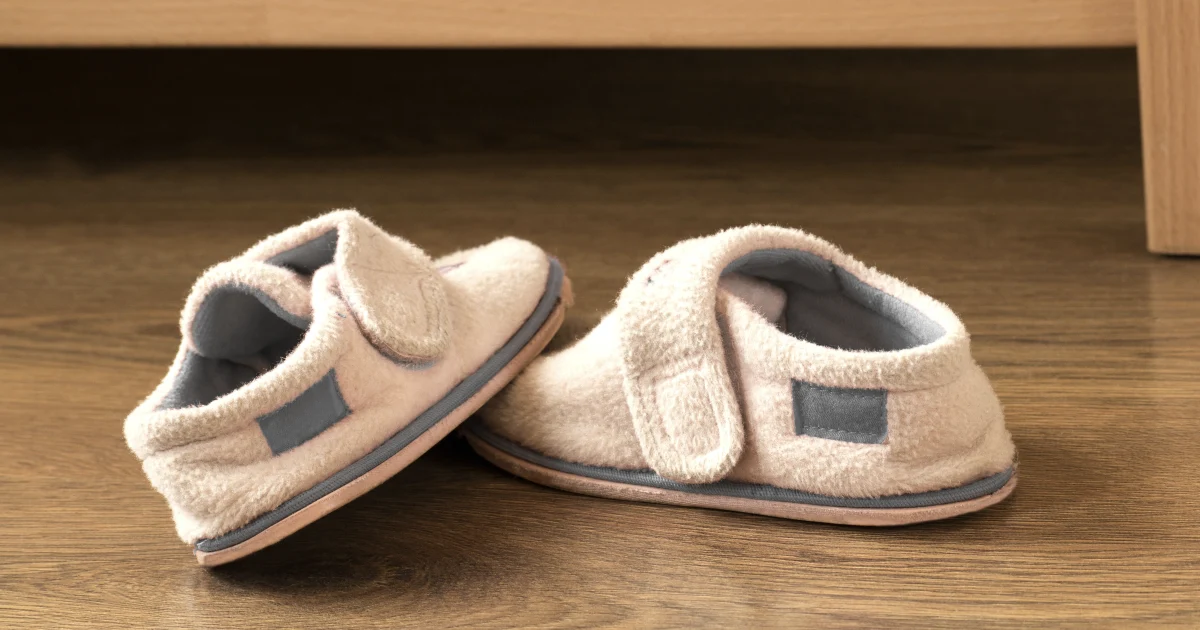
Functional heritage is less noticeable, and you have to be in the room to see it. It's the shoes-off rule that your kid eventually realises is a German thing. The rouladen dinner that's only served on special occasions. An everyday activity that leans into something specifically German. Or the story about a great-grandfather that's told the same way every Christmas until the child can tell it back.
None of this is impressive enough to get the clicks on Instagram. But in real life, a child won't listen to some scroll-stopping inspirational drama on a random Thursday morning.
What seems to work
The research on postwar German emigrant families in North America converges on roughly the same set of conditions, and none of them are particularly eye-catching.
Heritage works better when it is bicultural rather than split. Kids do better when they can be fully American or Canadian and still German, not when the two are set up as a forced choice. Pressure to pick a team produces shame in one direction and rebellion in the other, and most parents enjoy neither outcome.
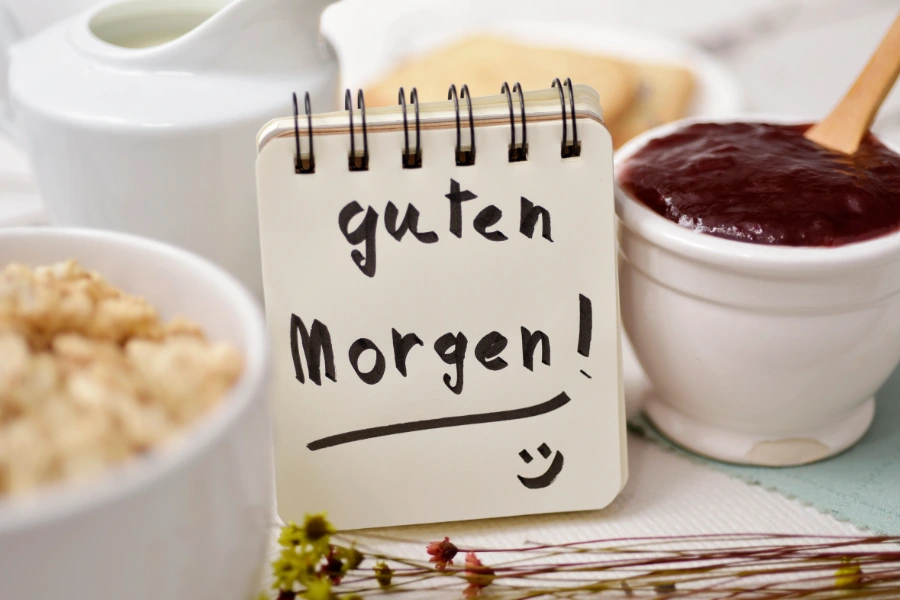
When there is some real language attached, even if it falls short of fluency, it's even better. Proficiency in a handful of habits and phrases beats a thrown-around Guten Morgen with nothing underneath. The shoes-off rule, again, does more work than any German Christmas market trinket on the mantel.
It sinks in deeper when the history is honest. Children given an age-appropriate frame for the difficult parts of the German story tend to integrate their heritage more cleanly than children who first run into it in eighth-grade history with no context to put it in.
And, above all, it works better when heritage is warm rather than coerced, and publicly open rather than private. Pressure to "be German" reliably backfires, and heritage that lives behind closed doors as a family quirk transmits less well than heritage that walks out the front door into school and friendships.
The families whose heritage actually transmits are the ones where it functions as a source of pleasure rather than one of homework.
Heritage as repetition, not preservation
Heritage doesn't have to be a museum. It can't be, actually. None of us are actively running a museum (it feels more like an asylum at times). We're running households with laundry, homework, and a child who has decided that today they only eat things that are beige and blue.
What seems to work is repetition. One tradition, phrase, or simple story, done every so often, that the child stops noticing and starts being shaped by it.
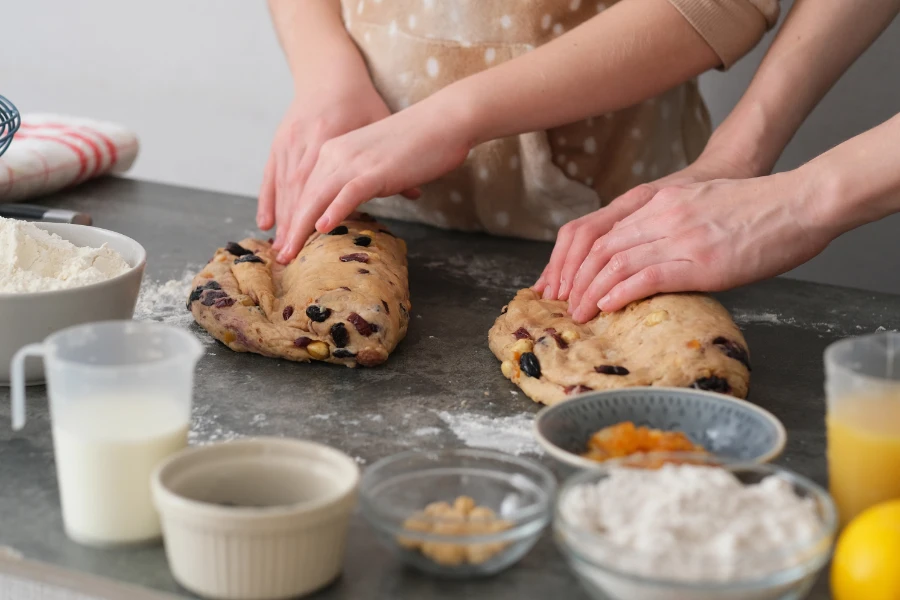
I wrote Christmas Eve Traditions around this idea, and that yearly repetition is intentionally playing the long game. Or having them help make Oma's favorite holiday dessert can instill tiny memories that build up over time.
Pick one little thing and stick with it. By the available evidence, that is a meaningful piece of cultural transmission. There is only so much in a normal week that a child's mind can absorb.
What fills the space if you don't
Heritage transmission isn't happening on a neutral field. There is a second system already operating in your child's developmental life, and it is considerably more attentive than you are.
A 2024 systematic review of social media and adolescent identity development put it about as directly as research ever puts anything.
Algorithmic feeds and online peer environments don't typically replace cultural identity. But where cultural roots are thin, fragmented, or unsupported, they slip in as a substitute socialisation system.
This system starts answering the questions a parent would otherwise be answering: what kind of person to be, who counts as admirable, what body and politics and consumption patterns make a child legible to strangers on the internet.
The research has a useful framing for influencers. They function as "digital super peers," a category somewhere between celebrity, older sibling, teacher, and salesperson, with the trust of all four and the accountability of none.
Recommendation systems then make some of those scripts more available, more repeatable, and more socially rewarded than others. The feed is not malicious. It is just very, very interested in what is making your child stop scrolling.
The argument that the algorithm will raise your kids if you don't overstates its impact. The same research is consistent that the effects are conditional, modest on average, and heavily dependent on what offline supports are already in place.
It is, however, an argument that the developmental real estate is not empty. If the family doesn't offer a story about who we are and where we come from, the feed will offer a hundred.
Most of them won't be malicious, but almost none of them will be yours.
What's actually at stake
This is the part where, in the inspirational version of the article, I'd hand you a mental force-field for your kid. I am not going to. I'd rather give you the honest version, even if it doesn't sound glamorous.
What a child loses when the German stops with you isn't some extra resilience, and it isn't necessarily lower anxiety. It's a piece of how they are legible to themselves.
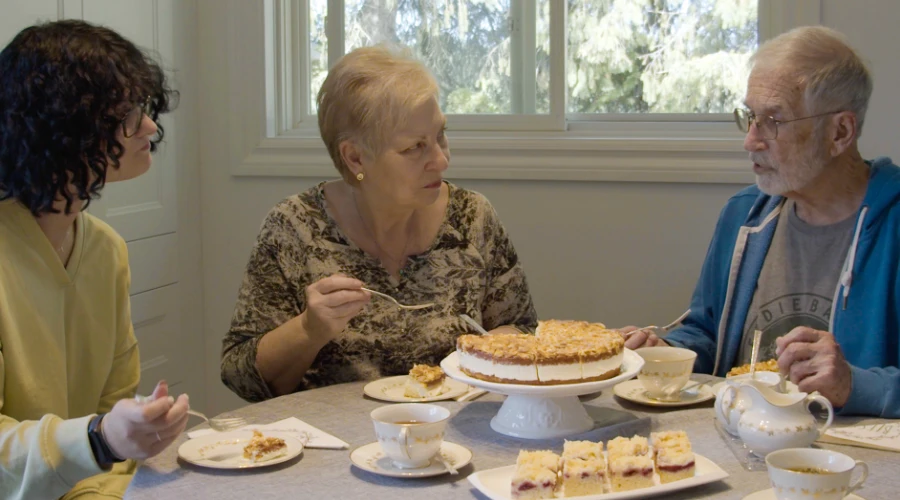
When they are nineteen and a college roommate asks where they're from, they will either have an answer that goes somewhere, or they won't. That isn't dramatic. It also isn't nothing.
Then there's the sense of personal pride. They can define who they are and why they do the things they do.
Heritage transmission may seem like a light and fluffy sentiment in a world that can be harshly unforgiving. However, a cheetah that only thinks they can fly will waste their life not knowing they can run.
In the end, that's what my work on this site is trying to do. A series of repeatable, tangible, small handings-down. Little pieces of Germany kept moving across and down the generations.
One of my favorite German sayings is, "Kleinvieh macht auch Mist." which literally translates to, "Small livestock also makes manure." In other words, little things all add up.
Questions parents keep asking
Is it too late to teach my kids German if I'm not fluent myself?
Is it too late to teach my kids German if I'm not fluent myself?
No. Late beats never, and "not fluent" beats "fluent but distant." The research on heritage language learners is clear that proficiency in a few consistent habits matters more than continuous childhood exposure to a parent who never thought to use any of it on purpose.
Guten Morgen at breakfast, a German word for the dog, one bedtime story a week. That is more than most assimilated fluent grandparents ever did.
How do I talk to my kids about the Nazi period of German history?
How do I talk to my kids about the Nazi period of German history?
Earlier than you think, and more straightforwardly than you fear. Children handle "this happened, our family was here, here is what it cost" more easily than most parents handle the telling.
The research on German-emigrant family memory suggests that families who keep the period discussable raise kids with better-integrated heritage than families who treat it as off-limits.
The practical window for discussing it is small. A Stolperstein (brass inlaid memorial) on a sidewalk, a great-grandfather's wartime story, a Holocaust memorial visited as a family. Don't romanticise heritage, and definitely don't bury it.
What if only one parent is of German heritage?
What if only one parent is of German heritage?
Most diaspora households are mixed at this point, and the research suggests it does not particularly matter which side of the family carries the heritage as long as somebody carries it on purpose.
Mixed-heritage kids who develop a coherent connection to one strand of ancestry generally fare better than mixed-heritage kids whose heritage gets averaged out to nothing.
The practical implication is unromantic. The German side has to do the actual work, and the non-German partner has to back the play rather than treat it as the German parent's solo project.
How young is too young to start?
How young is too young to start?
There is no "too young." The developmental research on heritage transmission is clear that early exposure is more useful than late exposure, especially for language work, and that "exposure" is doing more work in that sentence than "fluency."
Infants in households where two languages are routinely spoken absorb both. Toddlers can learn songs, words, and routines without being taught them.
The thing to avoid is the opposite mistake, which is waiting until a child is "old enough to appreciate it." By then they have already absorbed whatever default cultural script you let drift in instead.
Notes on the research
The "Do You Know" line of work referenced above comes out of Robyn Fivush and Marshall Duke's family-narratives program at Emory. The 2008 brief report (Duke, Lazarus & Fivush) and Bohanek and colleagues' 2010 adolescent follow-up are the most-cited pieces. The 2010 paper is the one that shows how much of the apparent benefit is general family climate rather than story knowledge specifically, which is the finding the inspirational genre tends to skip over.
The wider claim about cultural identity and adolescent mental health draws on Smith & Silva's 2011 meta-analysis, Rivas-Drake and colleagues' 2014 meta-analysis of positive ethnic-racial affect, and the 2023 Brance et al. meta-analysis on social identification and mental-health symptoms. The pattern across all three is consistent. Real protective effects on depression and substance use, weaker on anxiety, modest in size, and dependent on context.
The German-specific framing of biculturalism, communicative memory, and the costs of festival ethnicity draws on Nguyen and Benet-Martínez's 2013 meta-analysis on biculturalism and adjustment, the German-Canadian oral-history literature on family memory after 1945, and the wider scholarship on postwar German emigrant communities in North America. The "thorough submergence" line is Kathleen Conzen's, cited at length in Russell Kazal's Becoming Old Stock: The Paradox of German-American Identity (Princeton University Press, 2004), which is the standard academic treatment of how German-American ethnic identity faded over the twentieth century.
The argument that algorithmic feeds and online peer environments can function as a substitute socialisation system where cultural roots are weak draws on Avci and colleagues' 2024 systematic review of social media and adolescent identity development, Bonfanti and colleagues' 2025 meta-analysis on online social comparison, and Regehr and colleagues' 2025 work on recommender systems and youth wellbeing. The "digital super peers" framing for influencers comes out of the same recent literature.
None of this overturns the inspirational genre. It just makes the claim more modest, and the practical thing parents can do about it more useful.

Eran Fulson
Keeping German heritage alive across an ocean and a generation.
Eran Fulson is Canadian-born, Welsh by choice, and German at heart. A diaspora son raising kids in Wales further from German heritage than his parents were from theirs, he runs German at Heart for families doing the same thing. He writes from his own family's story, with real sources behind every guide. He co-founded Tour My Germany with his mom (Just Like Oma) and his niece Lydia, drawing on 15+ years exploring Germany from Hamburg to Bavaria. Heimweh Letters, his newsletter, reaches thousands of subscribers every week.
did you know?
Over 800 million currywursts are eaten each year in Germany, and 70 million in Berlin alone.

Words to live by
Think of all the beauty still left around you and be happy!
- Anne Frank
Discover our Just Like Oma family of websites:




Across media platforms, the Just Like Oma family of websites are celebrated for making German cooking, travel, and heritage fun & simple to understand, and easily accessible for everyone!


















Thanks for visiting German at Heart!
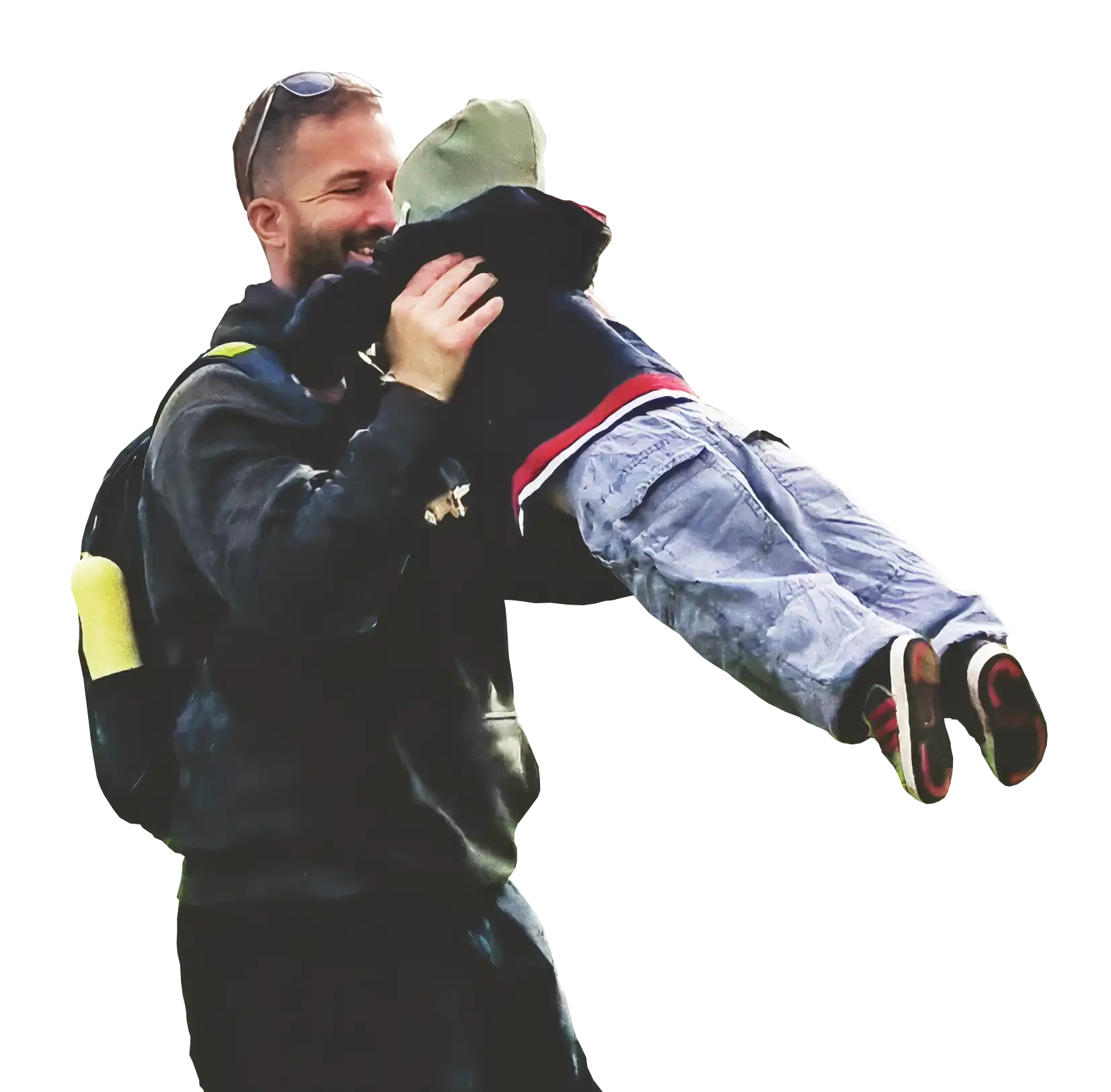
I created this space to rediscover, celebrate, and pass on the parts of our culture that matter most. Things I learned from my parents, who you may know as Oma Gerhild and Pastor Wolle.
My hope is that this becomes a place where you can reconnect with your roots, share stories, and keep the spirit of family and tradition alive.
I invite you to follow along on social media as I share ideas, inspiration (and a few fun surprises along the way) as we continue exploring what it means to be German at heart!
Cheers!


Copyright © | German at Heart (Just like Oma) | A Fulson Media Group Inc. Brand | All Rights Reserved
Powered by: Make Your Knowledge Sell!
AFFILIATE DISCLOSURE: German at Heart is a brand of Fulson Media Group Inc., which participates in various affiliate advertising to provide a means to earn advertising fees by linking to retail websites. Additionally, this website is a participant in the Amazon Services LLC Associates Program, an affiliate advertising program designed to provide a means for sites to earn advertising fees by advertising and linking to amazon.com and affiliated sites. We do not promote products we do not own or would not buy ourselves. Our goal is to provide you with product information and our own personal opinions or ideas. At times, we will showcase services, programs, and products. We aim to highlight ones that you might find interesting, and if you buy future items from those companies, we may get a small share of the revenue from the sale. We are independently owned and the opinions expressed here are our own.
PHOTOGRAPHY: Throughout this site, you'll find mostly photos that we've taken. We also feature some reader-contributed images and curated stock IMAGES BY Deposit Photos and others, offering further perspectives on all things German.
YOU SHOULD ALWAYS PERFORM DUE DILIGENCE BEFORE BUYING GOODS OR SERVICES ONLINE.