- Home
- Family Traditions
- Lent in Germany
Lent in Germany: what happens the day after Karneval
By: Eran Fulson / Published: February 12, 2026
In Germany, Lent is Fastenzeit. It’s a 40-day stretch from Ash Wednesday (Aschermittwoch) to Holy Saturday. It grew out of medieval monastic practice, but it stuck around because it fits a very human need. After a season of indulgence, you want a reset.
 After Karneval, silence moves in.
And if you’re a parent trying to pass on German heritage without being fluent or overly religious, this season is surprisingly useful. It’s culture you can actually do at home, with kids who will definitely have opinions.


If Karneval is Germany at full volume, Lent is what happens when someone walks over and turns the knob down without asking anyone’s permission.
One day you’re watching grown adults in costumes chant in the street. The next day, it’s Ash Wednesday, the jokes stop, and people start talking about giving things up. Not in a dramatic way. More like, “Yeah, I’m off sugar for a bit,” while ordering their coffee like it’s normal.
Table of Contents:
- Why Fastenzeit feels like a real season
- Ash Wednesday: the morning after
- The church visuals
- Medieval fasting rules
- The “God-cheaters”: Maultaschen
- Fish and bread: the humble Lent foods
- Starkbier: when Bavarian monks solved fasting
- Why Karneval matters here: Lent is the contrast
- Regional customs
- Modern Lent in Germany
- What you’ll notice in Germany during Fastenzeit
- Bringing Fastenzeit home
- FAQ - Lent in Germany
- A personal view
Why Fastenzeit feels like a real season
Fastenzeit (Lent) runs for forty days before Easter. On paper, that sounds like a simple religious countdown. In real life, it feels more like a switch in mood.
Germany likes seasons with a job to do. Advent builds anticipation. Karneval blows off steam. Fastenzeit is the quieter stretch where the whole culture, even the non-churchgoing part, seems to accept that it’s time to dial it back.
You’ll hear people talk about it casually. It’s not always “I’m fasting.” It’s more often “I’m skipping alcohol till Easter,” or “No sweets for me for a while,” said with the same seriousness as someone announcing they’ve started recycling properly.
Try it with the kids: Treat Fastenzeit like a “practice season.” Not punishment, not guilt. Just practice. Pick a short time window that feels possible, like four days. Tell your child, “We’re practicing having less of one thing we like, so we can notice what it feels like.” Then do it alongside them, even in a tiny way.
 Embracing the quieter time of year
Ash Wednesday: the morning after, German-style
Aschermittwoch (Ash Wednesday) is the hinge day. It’s the moment Karneval ends and Lent begins.
In many Catholic churches, there’s a service where people receive ashes on their forehead. It’s quiet, straightforward, and intentionally not glamorous. The whole point is that you’re stepping into a more reflective season.
Even outside the church, the shift shows up in small cultural ways. Traditional menus change. Heavy meat dishes fade into the background. You might suddenly notice fish options appearing more often, or at least a general sense that the party is over and now we’re being normal citizens again.
It’s the same feeling you get when you wake up after a birthday party, see the mess, and decide you are absolutely going to clean the kitchen today.
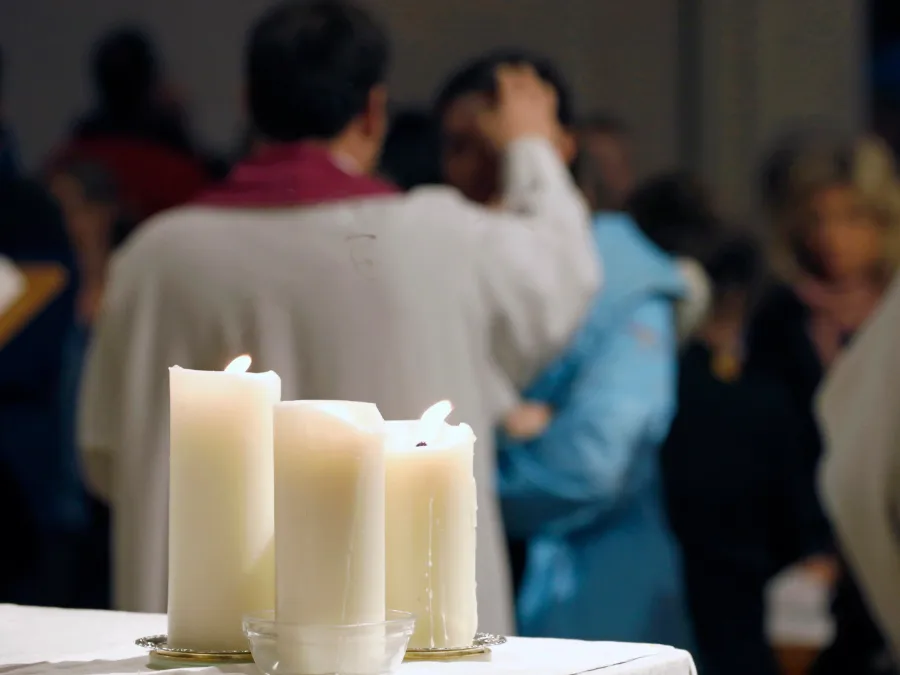 The reflective season
The church visuals: when Lent looks different
One of the most striking German Lent traditions is visual. In some churches, altars and artwork get covered with Fastentücher (fasting cloths), which are Lenten veils. Sometimes an altarpiece is closed and only reopened later, often on Maundy Thursday.
If you’re used to churches being ornate and full of imagery, this feels like someone put a plain sheet over the whole room and said, “Less now.” It’s meant to make the season visible and not festive or decorative.
And honestly, that idea still translates even if you are not doing Lent in a religious way. Fastenzeit is a season of removing a layer. Removing noise, removing excess, removing automatic habits.
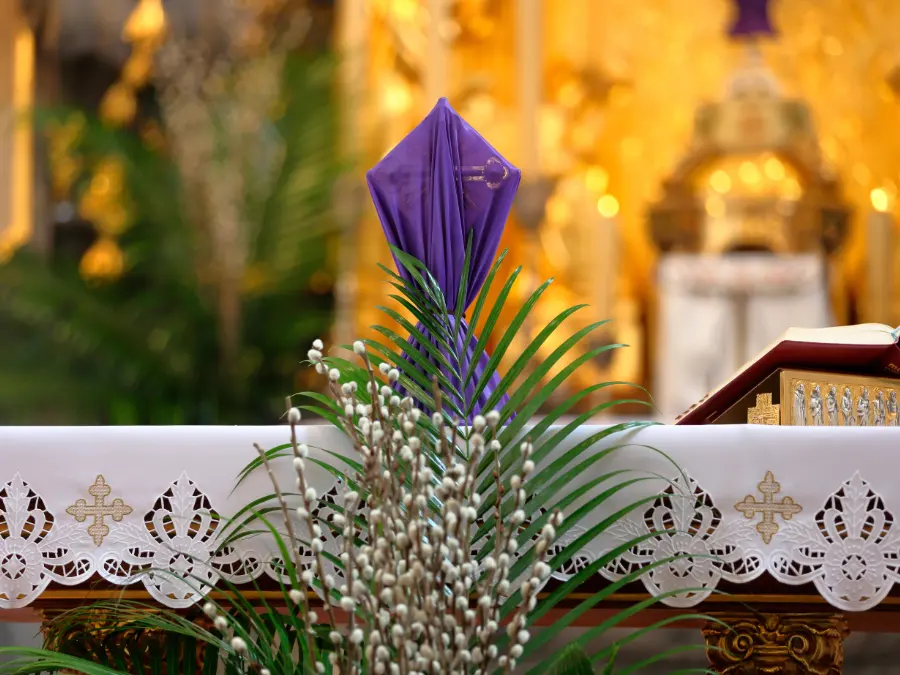 The season when less is more
Medieval fasting rules: strict on paper, creative in real life
Historically, Lent in German-speaking lands was not gentle. The rules were strict. Meat from warm-blooded animals was forbidden. Later, restrictions could extend to things like butter, eggs, cheese, and milk.
Monastic communities in places like Bavaria, Swabia, and Franconia developed detailed fasting regulations. The intention was spiritual discipline and frugality. But the side effect was a very German kind of problem-solving.
When people are told, “You can’t eat that,” they immediately start asking, “Okay, so what can we eat that still feels like food?” That tension shaped regional cooking. Simple meals became a craft.
This is why Lent is a surprisingly good cultural lesson for kids. It’s not “be miserable.” It’s “learn restraint and ingenuity.”
Try it with the kids: Make it about one clear, simple rule they can understand. “No dessert on weekdays,” or “No screens after dinner,” or “No noisy toy for four days.” Then give them a replacement that supports the lesson, not a bribe. A puzzle, drawing supplies, a book, a quiet craft. You’re not trying to create suffering. You’re trying to teach contrast.
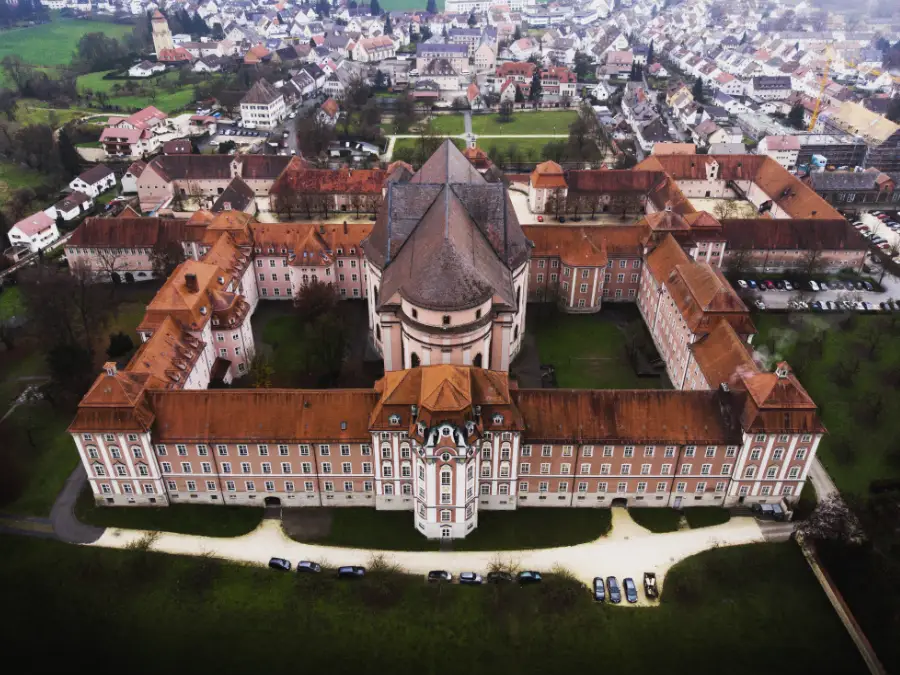 The Wiblingen Monastery in Ulm
The “God-cheaters”: Maultaschen and the art of bending rules
Swabia has one of the best Lent stories in Germany, because it’s equal parts devotion and mischief.
Maultaschen are stuffed pasta pockets. The legend says Cistercian monks in Maulbronn in the 17th century wanted meat during Lent, but meat was forbidden. So they hid it inside pasta dough, along with herbs, so it wouldn’t be visible.
The nickname is Herrgottsbscheißerle, which roughly translates to “little God-cheaters.”
That nickname tells you everything you need to know about how culture actually works. People follow rules. People also bend rules. People love a clever workaround. And eventually, the workaround becomes tradition.
Even if the story is more folklore than court transcript, it still carries the truth: German food traditions often came from constraints, not abundance.
 Spiritually questionable and delicious
Fish and bread: the humble Lent foods
Maultaschen get the headlines, but Lent also shaped simpler patterns. Fish dishes became common during fasting seasons, and breads carried a lot of weight. Literally and culturally. When meals had to be modest, bread became the thing that made them feel complete.
Over time, the strictness softened. Dispensations and modern practice made Lent less rigid, especially around dairy and eggs. But the seasonal food signals stuck around. You still see Lenten-leaning offerings in restaurants and bakeries, even among people who aren’t practicing Lent in a religious sense.
It’s one of those “culture outlasts rules” moments.
Try it with the kids: Do one Friday meal that is intentionally simple. Not fancy. Not “special.” Simple. Soup and bread, fish sticks and potatoes, whatever fits your household. Tell your child, “This is a Fastenzeit kind of meal. Simple on purpose.”
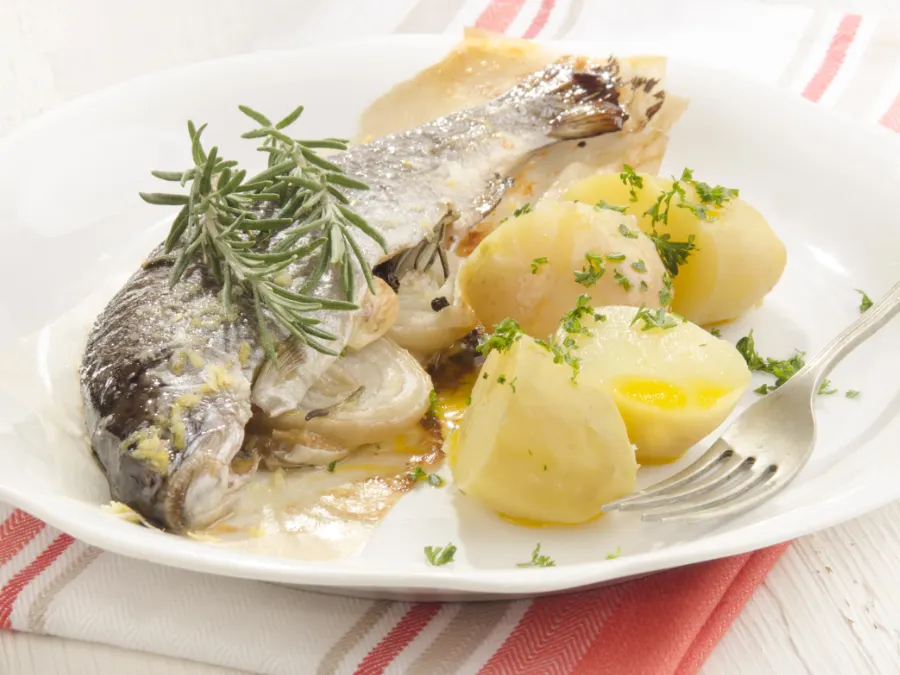 Simple done well
Starkbier: when Bavarian monks solved fasting with strong beer
Now for the German tradition that sounds like a prank but is very real.
Bavarian monks brewed extra-strong beer called Starkbier as a nourishing “liquid bread” to sustain them during rigorous fasting. They ate little solid food, but the beer provided calories and strength.
Some of these beers carried names with dramatic endings like “Delicator” or “Triumphator,” which feels exactly as subtle as you’d expect from a strong seasonal beer.
And the tradition did not disappear. Seasonal Starkbier and related festivals still show up in southern Germany, even though Lent is theoretically about restraint.
That contradiction is part of what makes it so German. Discipline and practicality can coexist with a hearty workaround.
 When monks said “no food,” Bavaria heard “more beer”
Why Karneval matters here: Lent is the contrast
Karneval is framed as the last indulgence before Lent. The crazy days build to a climax, then Ash Wednesday arrives, and the mood changes. The end of the fifth season is a total contrast, and the cultural logic of “Enjoy it now, then practice restraint.”
Even people who do not care much about the religious side tend to understand that rhythm. Modern life gives us endless indulgence with no pause. Fastenzeit is a socially recognized pause.
If you're a parent, you already know how useful a pause can be.
 The day after the night before
Regional customs: the small rituals that keep Lent grounded
In some regions, you’ll see symbolic acts that mark the end of carnival and the start of Lent, like burning straw figures such as the “Nubbel.” It’s a public goodbye to excess and winter.
In Catholic areas, especially parts of Bavaria, the Rhineland, and southwestern Germany, some villages maintain Lenten processions, passion plays, or modest devotions. They aren’t always tourist-advertised spectacles. They’re often community habits. The kind that survive because someone’s grandparents did it, and it still feels like it means something.
This is the hidden power of Fastenzeit. It’s not just private willpower. It’s a season that communities recognize.
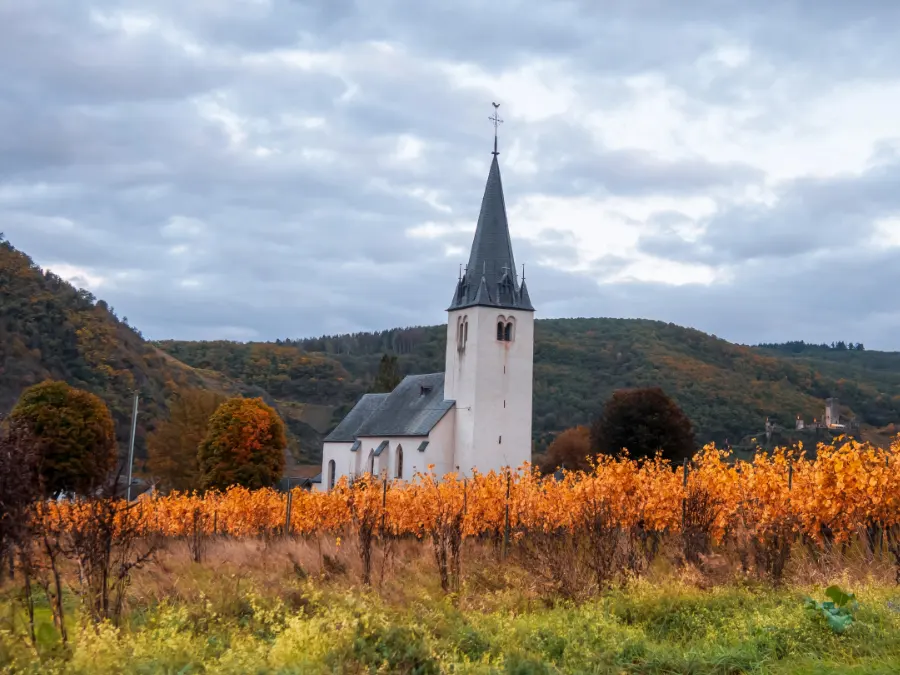 St. Martin Church, Beilstein: A simple escape for reflection
Modern Lent in Germany: not always church, still very common
Today, Fastenzeit in Germany is often less about church mandates and more about personal choices. Lots of people use Lent as a voluntary period of “fasting” from something that has gotten too comfortable: sugar, alcohol, meat, social media, consumer habits.
Churches and NGOs also run themed Lent campaigns around climate-friendly living or fair consumption. It blends traditional fasting language with modern ethics. And it makes sense. Lent is a structured time to live differently for a while.
Try it with the kids: Give them two options and let them choose. Not ten options. Two. “Do you want to give up the noisy toy for four days, or give up sweets after dinner for one week?” Choice creates ownership. Ownership reduces whining... in theory, sounds good on paper at least.
 Modern Lent: giving up sugar, and pretending it was easy
What you’ll notice in Germany during Fastenzeit: a public reset
During Lent, restaurants and bakeries often feature seasonal offerings like fish dishes, simple soups, and breads that lean traditional. You may also see Starkbier events in the south, which is the funniest possible way to celebrate restraint, but that is Germany for you.
Media and parishes tend to frame Fastenzeit as a time of reflection, a reset after carnival, and a runway toward Easter. Even if someone doesn’t participate, they recognize the season. It’s in the air.
And that’s the real takeaway. Lent in Germany is not just a personal practice. It’s a cultural tempo change.
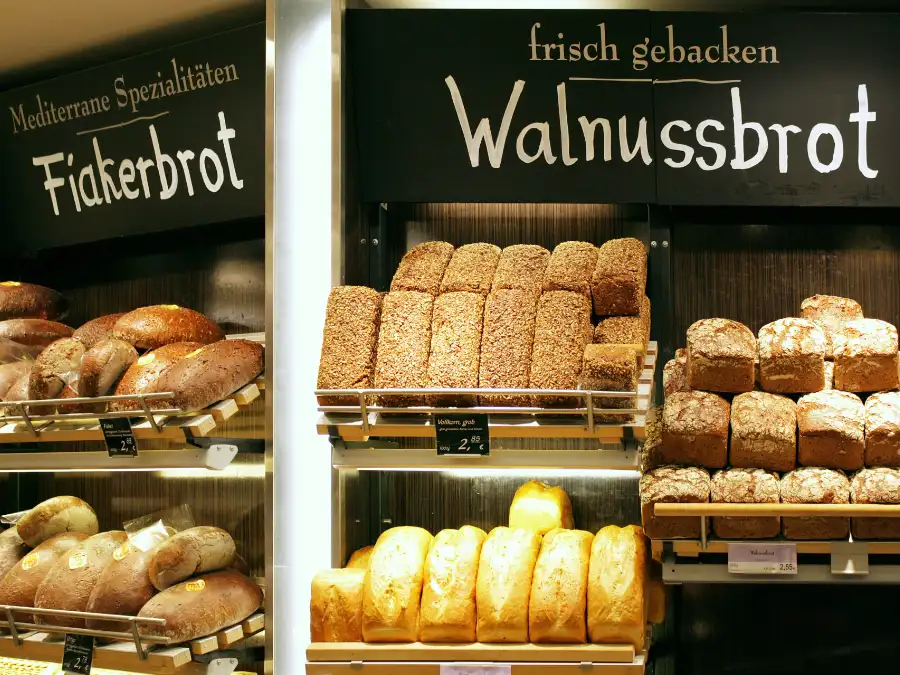 Is so much bread really showing restraint? Yes
Bringing Fastenzeit home
If you want to teach a child what it means to give up something you enjoy, start small and be honest about why. You’re not trying to raise a medieval monk. You’re teaching the skill of restraint, which is basically parenting in one word.
Here’s the version that tends to work best:
You pick a time frame that fits your family. Four days is a great starter. A full Lent is possible if you have the stamina and the child is old enough to hold the idea.
You pick one thing to give up that actually matters. If it’s a toy, yes, pick the loud one. Not because you’re punishing your child, but because you’re improving the household soundscape and calling it heritage education. That’s efficiency.
Then you link it back to the culture. “In Germany, after Karneval, people have Fastenzeit. They practice having less for a while. We’re practicing too.”
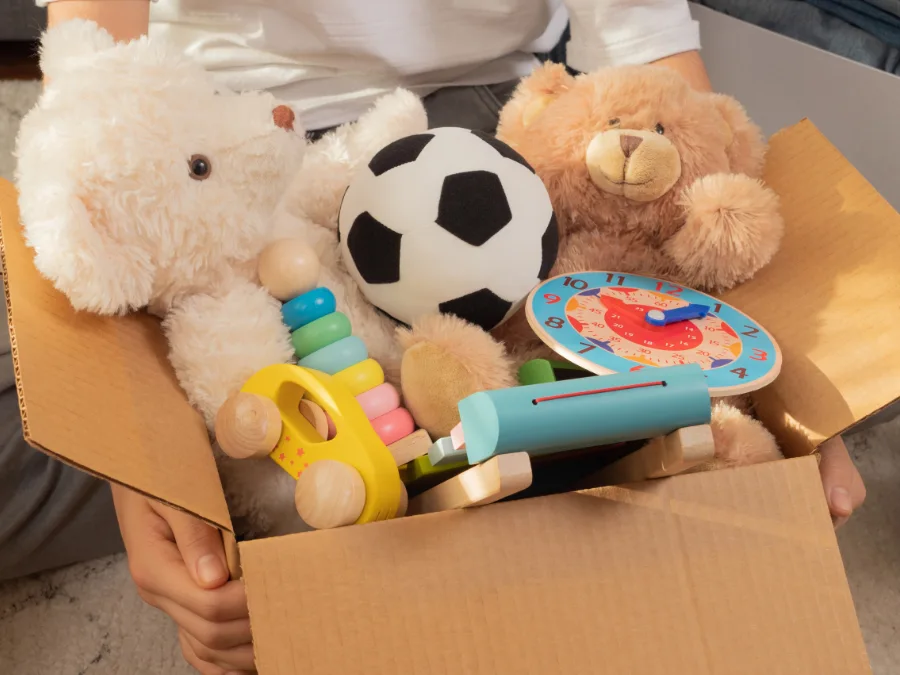 Live for the quiet days
FAQ - Lent in Germany
When is Lent in Germany, and what is it called?
When is Lent in Germany, and what is it called?
How do people in Germany observe Lent today?
How do people in Germany observe Lent today?
What are some unique Lent traditions in Germany?
What are some unique Lent traditions in Germany?
Germany has a few standout Lent traditions, including Fastentücher (Lenten veils in churches), Swabian Maultaschen with their “little God-cheaters” story, and Bavarian Starkbier brewed by monks as nourishing “liquid bread.”
A Personal Note
Fastenzeit has survived in Germany because it meets people where they are. It can be deeply religious, quietly cultural, or completely personal. It has old church visuals like Fastentücher, food stories like Maultaschen, and odd traditions like Starkbier that make you laugh and shake your head.
But the heart of it is consistent: after indulgence comes restraint.
And if you’re raising kids outside Germany, that’s not just a tradition. That’s a life skill, packaged as culture.
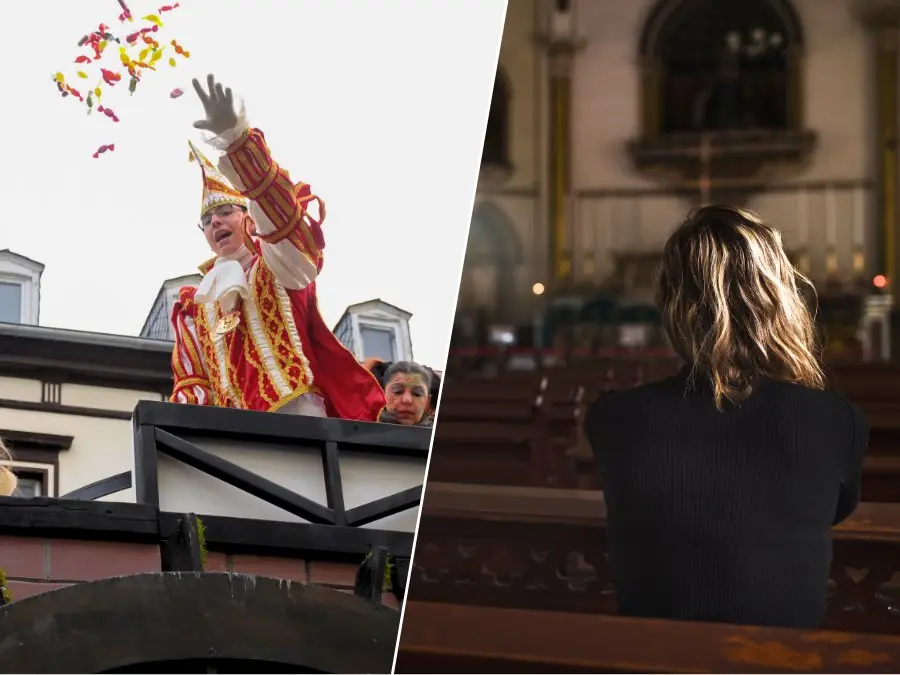 One day you’re catching candy, and the next you’re catching your thoughts
I never observed Lent before having kids. Not spiritually, practically, or even accidentally.
The concept is enticing, though. A designated season for restraint, reflection, and voluntarily giving something up. Usually something you like. Which feels bold, considering the year has already helped itself to a few things without consulting anyone.
By the time February rolls around, I’m often left staring at the metaphorical cupboard thinking, What exactly do you want from me? Flavor? Joy?
But now I feel like leading by example. It doesn't need to be a big event. Even something small shows my kids the reward of embracing a bit of restraint.

Eran Fulson
Keeping German heritage alive across an ocean and a generation.
Eran Fulson is Canadian-born, Welsh by choice, and German at heart. A diaspora son raising kids in Wales further from German heritage than his parents were from theirs, he runs German at Heart for families doing the same thing. He writes from his own family's story, with real sources behind every guide. He co-founded Tour My Germany with his mom (Just Like Oma) and his niece Lydia, drawing on 15+ years exploring Germany from Hamburg to Bavaria. Heimweh Letters, his newsletter, reaches thousands of subscribers every week.
did you know?
Over 800 million currywursts are eaten each year in Germany, and 70 million in Berlin alone.

Words to live by
Think of all the beauty still left around you and be happy!
- Anne Frank
Discover our Just Like Oma family of websites:



Across media platforms, the Just Like Oma family of websites are celebrated for making German cooking, travel, and heritage fun & simple to understand, and easily accessible for everyone!



















Thanks for visiting German at Heart!
I created this space to rediscover, celebrate, and pass on the parts of our culture that matter most. Things I learned from my parents, who you may know as Oma Gerhild and Pastor Wolle.
My hope is that this becomes a place where you can reconnect with your roots, share stories, and keep the spirit of family and tradition alive.
I invite you to follow along on social media as I share ideas, inspiration (and a few fun surprises along the way) as we continue exploring what it means to be German at heart!
Cheers!


Copyright © | German at Heart (Just like Oma) | A Fulson Media Group Inc. Brand | All Rights Reserved
Powered by: Make Your Knowledge Sell!
AFFILIATE DISCLOSURE: German at Heart is a brand of Fulson Media Group Inc., which participates in various affiliate advertising to provide a means to earn advertising fees by linking to retail websites. Additionally, this website is a participant in the Amazon Services LLC Associates Program, an affiliate advertising program designed to provide a means for sites to earn advertising fees by advertising and linking to amazon.com and affiliated sites. We do not promote products we do not own or would not buy ourselves. Our goal is to provide you with product information and our own personal opinions or ideas. At times, we will showcase services, programs, and products. We aim to highlight ones that you might find interesting, and if you buy future items from those companies, we may get a small share of the revenue from the sale. We are independently owned and the opinions expressed here are our own.
PHOTOGRAPHY: Throughout this site, you'll find mostly photos that we've taken. We also feature some reader-contributed images and curated stock IMAGES BY Deposit Photos and others, offering further perspectives on all things German.
YOU SHOULD ALWAYS PERFORM DUE DILIGENCE BEFORE BUYING GOODS OR SERVICES ONLINE.