Burning winter with Sommertagszug
By: Eran Fulson / Published: February 27, 2026
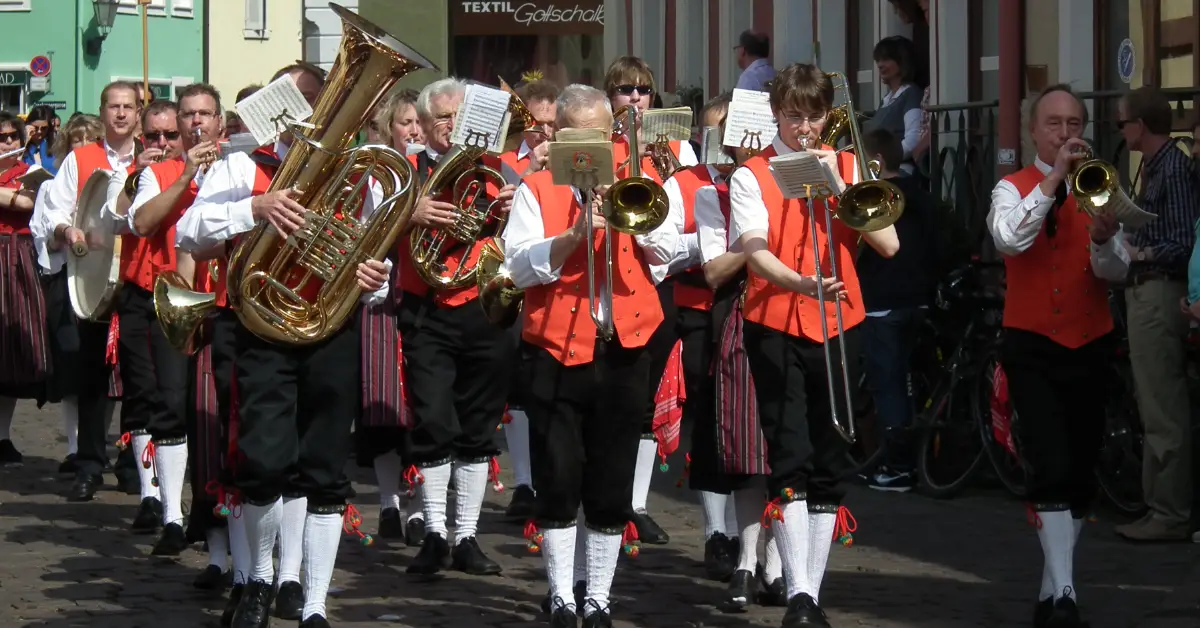
The first warm day of March used to awaken something in my dad that had been held captive all winter.
I can’t really sum it up in a word myself, but in parts of Germany, they call it Sommertagszug (summer day parade).
It’s basically a spring procession where winter gets marched out, and summer gets welcomed in with children carrying decorated sticks (and a snowman who does not survive the finale).


Back in the Canadian countryside, we didn’t have a parade.
But the same emotions were there.
The snow didn’t just give in and melt. It surrendered in ugly patches, leaving behind brown slush and the kind of mud that could swallow a boot and keep it as a souvenir.
The sun showed up brighter than it had any right to, and suddenly, my parents looked ten years younger at the thought of my brothers and me roaming outside once again.
But my dad was always first out the door.
He’d stand in the garage like a man reading a weather forecast and taking it as a challenge. Then he’d start the seasonal swap with the solemn focus of someone changing a tire in the rain.
First, the snowblower gets pushed back like a disgraced employee.
Then the lawnmower comes forward like it’s been promoted.
That’s when my dad would become unstoppable.
The snow shovels went into hibernation while rakes and spades appeared.
The smell changed, too. Cold metal replaced by old gasoline, damp earth, and whatever scent a garage develops after months of being opened only for practical use.
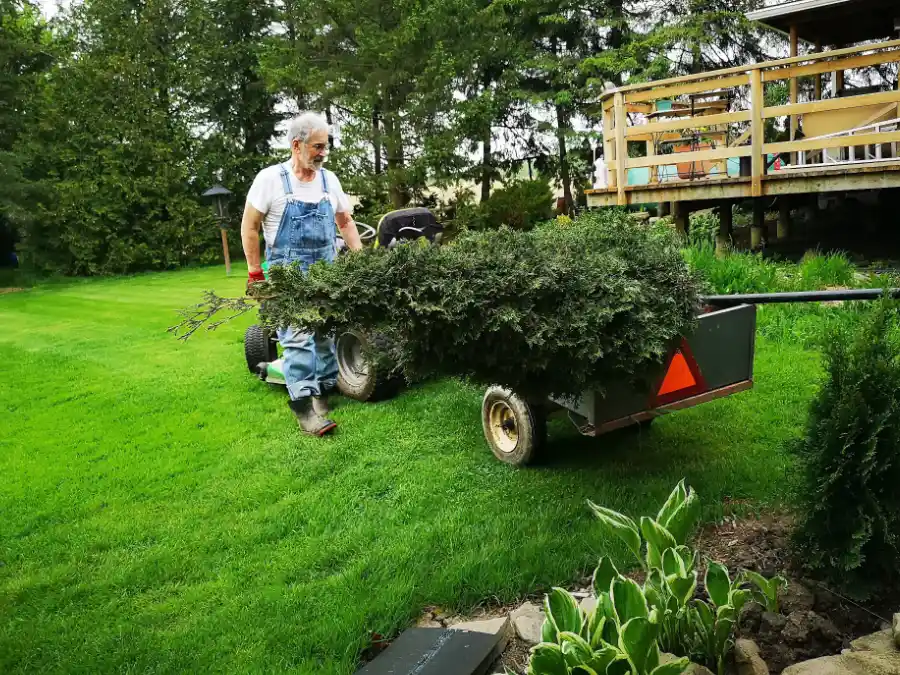 The unofficial version of driving out winter... yard work
The yard clean-up wasn’t just yard clean-up.
It was my dad’s inner caged lion, pacing the perimeter again, practically delighted to have a territory to manage.
He’d do a circuit around the property with a weedwacker, half marching and half attacking last year’s dead grass like the trespasser it obviously was.
Mostly, I remember the sounds of spring. The sputter of engines waking up and rakes scraping over thawing ground. My dad cautiously saying, “Watch out for the mud,” in a mindful tone that suggested I had already stepped in it.
It wasn’t a festival, but it was absolutely a ritual. Winter ended because we decided it ended, and the tools weren’t taking no for an answer.
That’s what I miss now. And not just the weather.
I live in Wales, where spring arrives in a slow, damp shuffle, and half the time you only notice because someone says, “It’s not as cold today,” and then you get rained on anyway.
The seasons here don’t really change. They just glide from one into another without you really noticing until you get a sunburn in between rain showers.
The German version comes with ribbons (and a bonfire)
Those were the memories that came to me as I stumbled onto the well-costumed German custom of the Sommertagszug.
It’s a spring procession, basically a community-wide “winter can leave now,” mostly in northern Baden and the Kurpfalz (including Mannheim, Heidelberg, Weinheim, Eberbach, Bruchsal, Schwetzingen, and Mosbach).
The earliest known roots stretch back into pre-Christian spring and fertility rites, which makes me imagine generations of people looking at a grey sky and thinking, fine, we’ll handle this ourselves.
The traditional date is Laetare Sunday, Mid-Lent, which feels satisfyingly specific. Almost as though it's a built-in appointment on the calendar for springtime hope.
The highlight for this driving out winter spectacle are kids moving through town in a parade, carrying Sommertagsstecken.
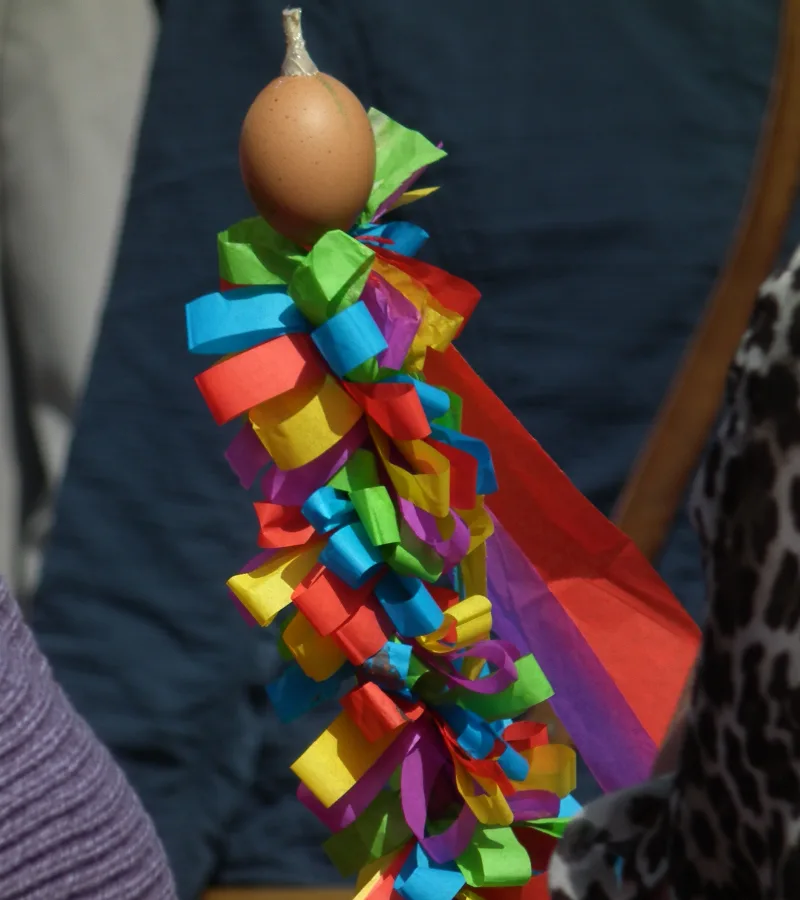
These are decorated summer-day sticks with bright paper ribbons and greenery, often boxwood. Sometimes, there's a pretzel tied on like a little edible sun, and generally accompanied by an apple or a blown egg.
And then the story turns into theatre.
Winter and summer show up as characters, and they have their little “battle” that everyone already knows the ending to.
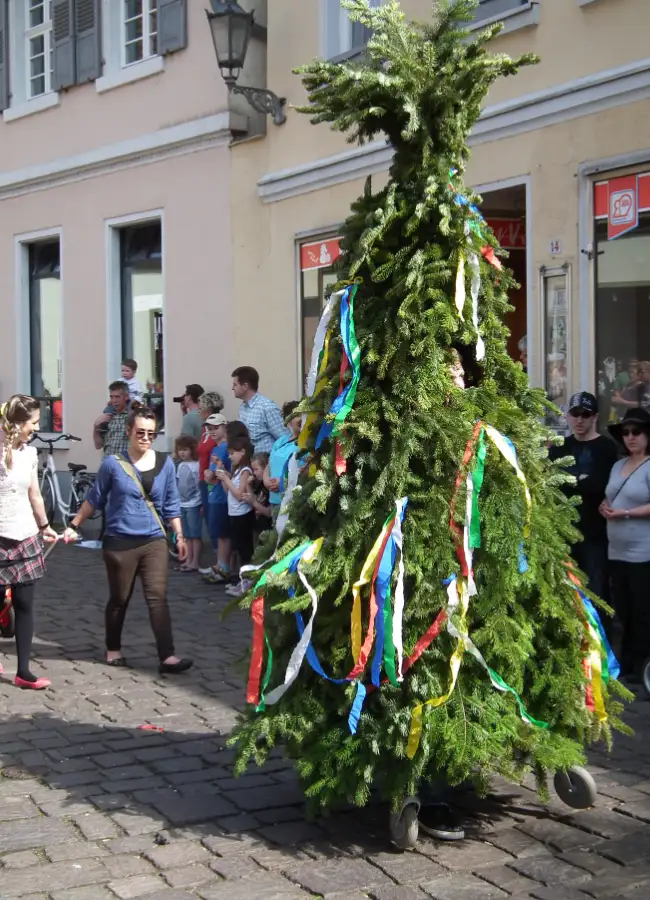
In some places, there are “Butzen,” big costume frames worn by people, one dressed as winter with straw, one as summer with fir branches. They dance at the end as if the seasons don't really mind each other.
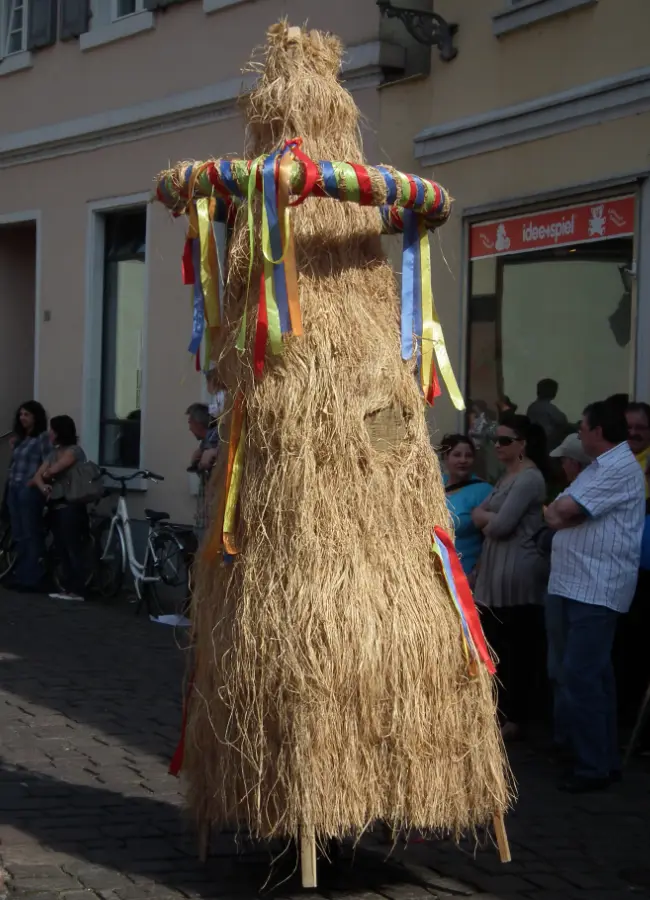
Often there’s a snowman or winter figure, sometimes papier-mâché, brought along like a culprit.
Then they burn it.
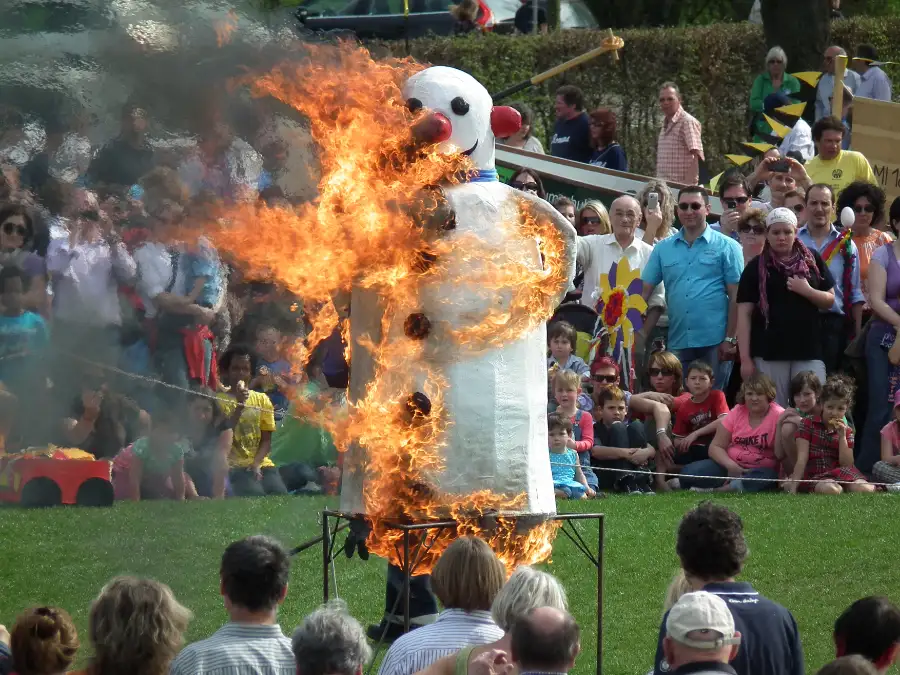
This is where my Canadian upbringing nods in respect.
We didn’t burn winter, but my dad did treat it like something that needed to be cleared out, hauled away, and replaced with louder machinery. Same impulse, different props.
When winter ends, you still have to eat
There’s also a shadow version of the custom that makes it feel more real to me.
Historically, it wasn’t only cheerful pageantry. It functioned as a heischbrauch, a begging custom. Children, especially poorer children, went through town singing and asking for food and useful things because winter ran supplies down to the last crumbs.
Liselotte of the Palatinate even mentions a Sommertagszug in a 1696 letter, describing children going through Heidelberg and asking for what they needed.
This “cute” tradition also carried a blunt truth. Even as winter ends, you still have to eat.
Over time, many places shifted it into a children’s spring festival, with gifts like pretzels handed out. The need softened, but the ritual stayed, like a handprint pressed into wet cement.
That’s the part that feels familiar to me.
My dad didn’t burn a snowman in the yard. He didn’t parade through town with ribbons and boxwood (imagine the looks if he did). He just dragged machines in and out of the garage and acted like spring was a project he could kick-start with enough elbow grease.
He would, however, stand next to a bonfire with a similar parade-like pride.
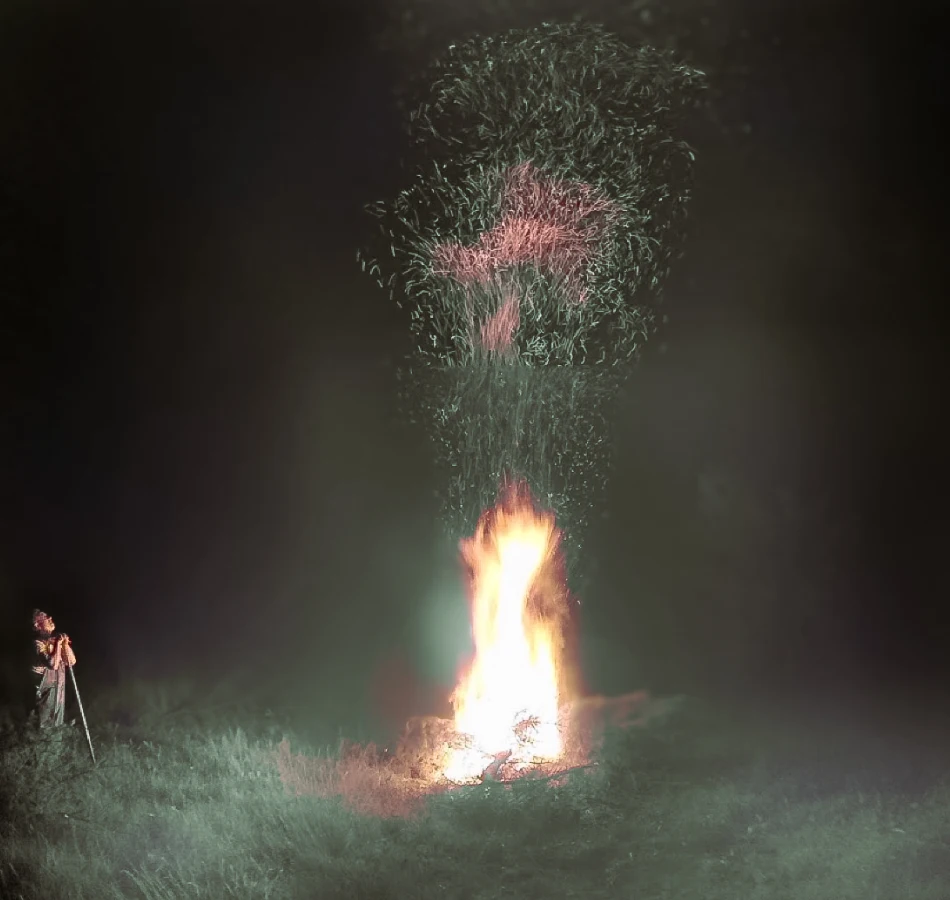 Humble pride never felt so warm
Different customs. Same impulse.
Placing a label, or a family ritual, on something like the changing seasons is a great way to have something to look forward to while embracing one's heritage.
Not because it changes the weather.
It changes the feeling of waiting. It turns “endless winter” into “we’re nearly there.”
And just like my dad would often do, if winter is just hanging around… drive it out, cut it down, and burn it. Parade optional.
Sommertagszug FAQ
What is a “Sommertagszug,” in plain English?
What is a “Sommertagszug,” in plain English?
It’s a spring procession where a town (mostly kids, plus bands and local groups) symbolically says “winter, please leave.” Children parade with decorated Sommertagsstecken (sticks), you’ll often see winter/summer figures, and many places end with the burning of a snowman/winter effigy as the big finale. In some regions you’ll also hear related names like “Stabaus” for the same Mid-Lent spring/winter-driving tradition.
When does Sommertagszug happen?
When does Sommertagszug happen?
Traditionally, it’s on Laetare Sunday (Mid-Lent), the third Sunday before Easter. Many towns still stick to that timing, even if the exact date shifts each year with Easter. Some places move it to another spring weekend depending on local tradition and logistics, so it’s worth checking the specific town’s event listing.
Where is it celebrated, and how do I find one to attend?
Where is it celebrated, and how do I find one to attend?
The geographic “home base” is the Kurpfalz and neighbouring areas (northern Baden, Palatinate, Rhine-Neckar region). You’ll see it in places like Weinheim, Heidelberg, Mosbach, and Mannheim (often with a defined route through the town or park, ending at a central square or festival area). The easiest way to find a reliable time and route is a city’s official event page or a regional calendar entry for that year.
What are Sommertagsstecken, and what’s with the pretzel?
What are Sommertagsstecken, and what’s with the pretzel?
A Sommertagsstecken is the decorated stick kids carry in the parade. Modern descriptions usually mention colorful paper/ribbons and greenery, with a Hefebrezel (pretzel) attached, sometimes alongside an egg and an apple. Those details aren’t new. Older historical descriptions already talk about sticks bearing pretzels, eggs, and apples, which is part of why the sticks feel like the visual “signature” of the whole custom.
Why burn a snowman, and is this a religious thing or a “pagan” thing?
Why burn a snowman, and is this a religious thing or a “pagan” thing?
The burn is more than symbolic. Sommertagszug sits in the wider family of winter-burning / “carrying out death” customs where winter is put on trial, expelled, or destroyed in effigy so spring can “win.” It’s often described as pre- or extra-Christian in origin, even though the modern date is anchored to the church calendar (Laetare).
Historically, it also carried a practical social edge. The Sommertagszug included elements of a heischbrauch (a children’s “asking/begging” custom) tied to late-winter scarcity, and it shows up in early written references connected to Liselotte of the Palatinate’s letters. Today, it’s largely a children’s and community spring festival.

Eran Fulson
Keeping German heritage alive across an ocean and a generation.
Eran Fulson is Canadian-born, Welsh by choice, and German at heart. A diaspora son raising kids in Wales further from German heritage than his parents were from theirs, he runs German at Heart for families doing the same thing. He writes from his own family's story, with real sources behind every guide. He co-founded Tour My Germany with his mom (Just Like Oma) and his niece Lydia, drawing on 15+ years exploring Germany from Hamburg to Bavaria. Heimweh Letters, his newsletter, reaches thousands of subscribers every week.
did you know?
Over 800 million currywursts are eaten each year in Germany, and 70 million in Berlin alone.

Words to live by
Think of all the beauty still left around you and be happy!
- Anne Frank
Discover our Just Like Oma family of websites:




Across media platforms, the Just Like Oma family of websites are celebrated for making German cooking, travel, and heritage fun & simple to understand, and easily accessible for everyone!


















Thanks for visiting German at Heart!
I created this space to rediscover, celebrate, and pass on the parts of our culture that matter most. Things I learned from my parents, who you may know as Oma Gerhild and Pastor Wolle.
My hope is that this becomes a place where you can reconnect with your roots, share stories, and keep the spirit of family and tradition alive.
I invite you to follow along on social media as I share ideas, inspiration (and a few fun surprises along the way) as we continue exploring what it means to be German at heart!
Cheers!


Copyright © | German at Heart (Just like Oma) | A Fulson Media Group Inc. Brand | All Rights Reserved
Powered by: Make Your Knowledge Sell!
AFFILIATE DISCLOSURE: German at Heart is a brand of Fulson Media Group Inc., which participates in various affiliate advertising to provide a means to earn advertising fees by linking to retail websites. Additionally, this website is a participant in the Amazon Services LLC Associates Program, an affiliate advertising program designed to provide a means for sites to earn advertising fees by advertising and linking to amazon.com and affiliated sites. We do not promote products we do not own or would not buy ourselves. Our goal is to provide you with product information and our own personal opinions or ideas. At times, we will showcase services, programs, and products. We aim to highlight ones that you might find interesting, and if you buy future items from those companies, we may get a small share of the revenue from the sale. We are independently owned and the opinions expressed here are our own.
PHOTOGRAPHY: Throughout this site, you'll find mostly photos that we've taken. We also feature some reader-contributed images and curated stock IMAGES BY Deposit Photos and others, offering further perspectives on all things German.
YOU SHOULD ALWAYS PERFORM DUE DILIGENCE BEFORE BUYING GOODS OR SERVICES ONLINE.