Stolen Flowers and Beer Wagons: How German Families Celebrate Muttertag and Vatertag
By: Eran Fulson / Last Updated: May 11, 2026
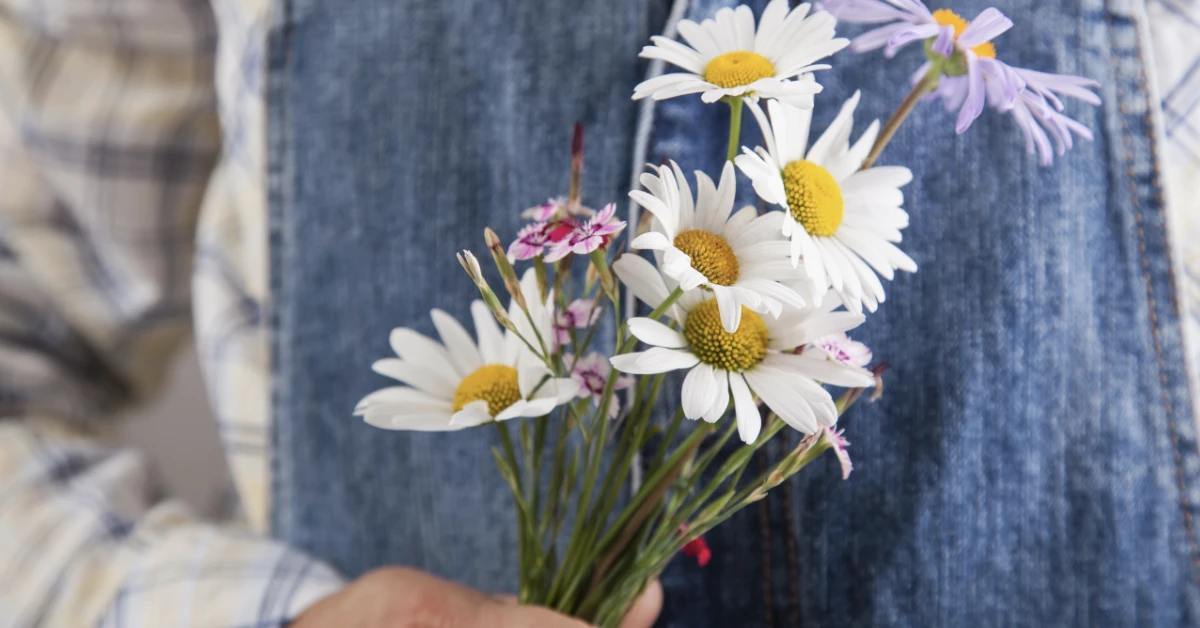
I used to steal flowers from my mother's garden.
A small hand reaching into the bed, a careful snap, stems chosen on the criteria that they were pretty and still attached. Technically the flowers were returned in gift form, which I assume cancelled the crime.


It was Muttertag, the German version, which is simply to say we acknowledged it. There was a card on the table and the stolen flowers in a vase. Everyone acted a little nicer for a few hours, but without making a major spectacle of it. If anyone had stood up to give a speech, we would have checked their forehead for a fever.
I can still picture the patch I targeted, the dirt under my fingernails, and my mother's face when I handed the flowers over. Pleased, touched, and, I now suspect, slightly pained. Like she was thinking, this is sweet, and also please do not make this a daily routine.
Most childhood restaurant lunches blur together by now. Stolen flowers, somehow, do not.
What Muttertag Actually Means in a German Household
Muttertag in Germany lands on the second Sunday in May, the same date as in North America. It's similar enough on the surface. Flowers, a card, brunch if anyone has the energy, a tilt of the day toward whoever raised you. The difference is the volume it's delivered in.
In North America especially, these days can feel like a graded assignment. Brunch reservations need to be somewhere respectable. The gift needs to be personal but not trying too hard. Social media has to be heartfelt but not too cheesy. Put it all together and it feels like love arrives with a dress code.
I am not judging it. Some families need a day that says, clearly, this matters. Some people did not grow up with calm comfort, and quiet can feel like an absence rather than ease.
But in my childhood, these days did not feel small because they meant less. They felt small because the everyday already meant something, and the special day only needed to shift in favour of the deserving parent.
Vatertag in Germany Is a Different Animal
Vatertag in Germany is not Muttertag with different stationery. It falls on Ascension Day, forty days after Easter, which always puts it on a Thursday and usually somewhere in mid-May. In 2026, it lands on May 14, a long weekend by the time most people are done with it.
In large parts of Germany the day is also called Herrentag or Männertag. The tradition, traditionally, is for groups of men to go on a long walk together, with a small wagon pulled behind them. The wagon is for supplies. Supplies, in this context, means beer and snacks.
If you have never watched a cluster of grown men pulling a wagon down a forest path at eleven in the morning, it's difficult to describe without sounding like I am inventing it. It's not aggressive, nor particularly charming, and it goes on for hours.
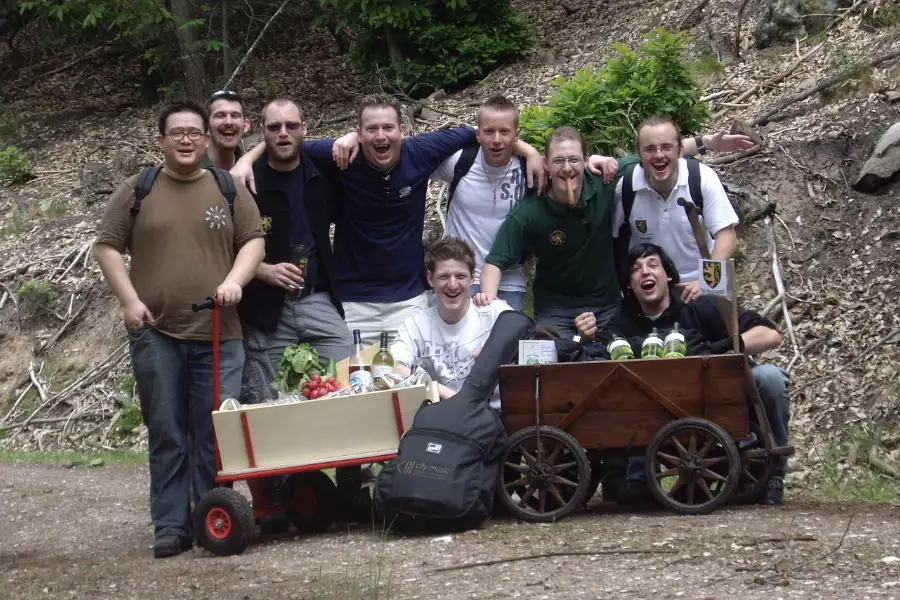 If a man falls in a forest, does he make a sound?
From this side of the border, I admire the commitment, the logistics, and I also respect that it is a tradition with no shame of its intention.
As a child, you understand the flow of traditions before you understand what the underlying details mean. Mothers were honored at home, fathers had a men's day out, and it was all just seen as normal.
How Vatertag Is Slowly Becoming a Family Day
The day is shifting, slowly and unevenly. Not everywhere all at once, but in many German households, Vatertag now looks a little more like Muttertag. The spectacle is softening and beginning to include the whole family. Cards from the kids, an outing together, and small gifts that are unsurprisingly sock-focused.
The usual "father has disappeared into the countryside with a wagon" is becoming "we are doing something together this afternoon with Daddy." That change is progress. Fathers are not the provider you celebrate from a respectful distance. They are part of the household, and the day is finally reflecting that.
The German Sweet Spot
This is where balance gets murky. There's a difference between updating a tradition and flattening it into a copy of the other one.
If both days become the same template, we lose the feeling, and everything turns into the same beige event. Reservations, gift bags, photo carousels, and everyone trying to look relaxed while checking the time.
I am not arguing we should preserve the beer wagon out of loyalty. Some traditions can retire, and we can applaud them politely as they leave. But it is worth keeping what made these days feel real in the first place.
Muttertag stayed special in my childhood because it was not inflated. It was small and specific. The stolen flowers were not impressive, but they were personal, and I can still see them in my hand.
Vatertag is more of an acknowledgement. A public display of one's devotion to a family back at home. We essentially did a Vatertag version of Muttertag when I was growing up. But I suspect this had more to do with the lack of Bollenwagens traipsing through the Canadian countryside for my dad to join in with.
The German sweet spot in May is doing something heartfelt and intentional rather than breaking down the metaphorical door with excessive flowers and a beer wagon.
 Does it matter if they were stolen from the garden?
What We Do at Ours
In the house with my kids now, both days are intentionally kept low-key. Muttertag brings flowers to the table, the kids drawing something, and a lunch that nobody is rushing to escape from. Vatertag is usually a train ride to a beach, some cake, and bringing back more sand than we left with.
Neither day has a reservation, there are no speeches, and so far nobody has had their forehead checked.
If you are raising kids outside Germany and want to keep these days in the family calendar without inflating them into something they were never meant to be, the simplest version may also be the best one.
Pick the smallest possible ritual, repeat it every year, and let the memories collect meaning on their own.
That repetition is what carries heritage through a generation, not the over-the-topness of it all. The fact that the day happened, as it always does, is generally all it needs to be.
If this kind of simple German thinking is the feeling you want more of, that's pretty much what I bring in my weekly newsletter, the Heimweh Letters. Helpful heritage arriving once a week with no pressure to get it perfect.
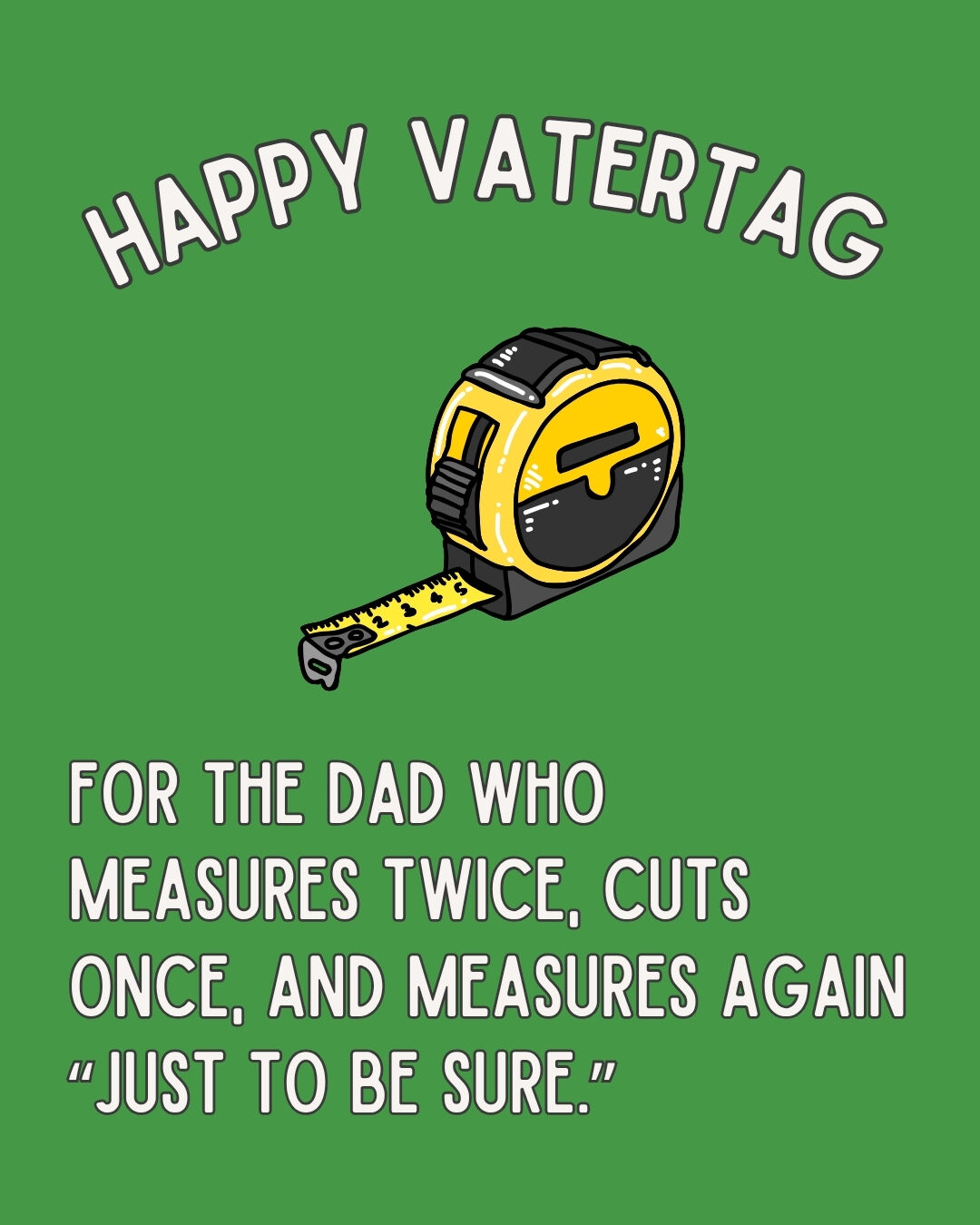
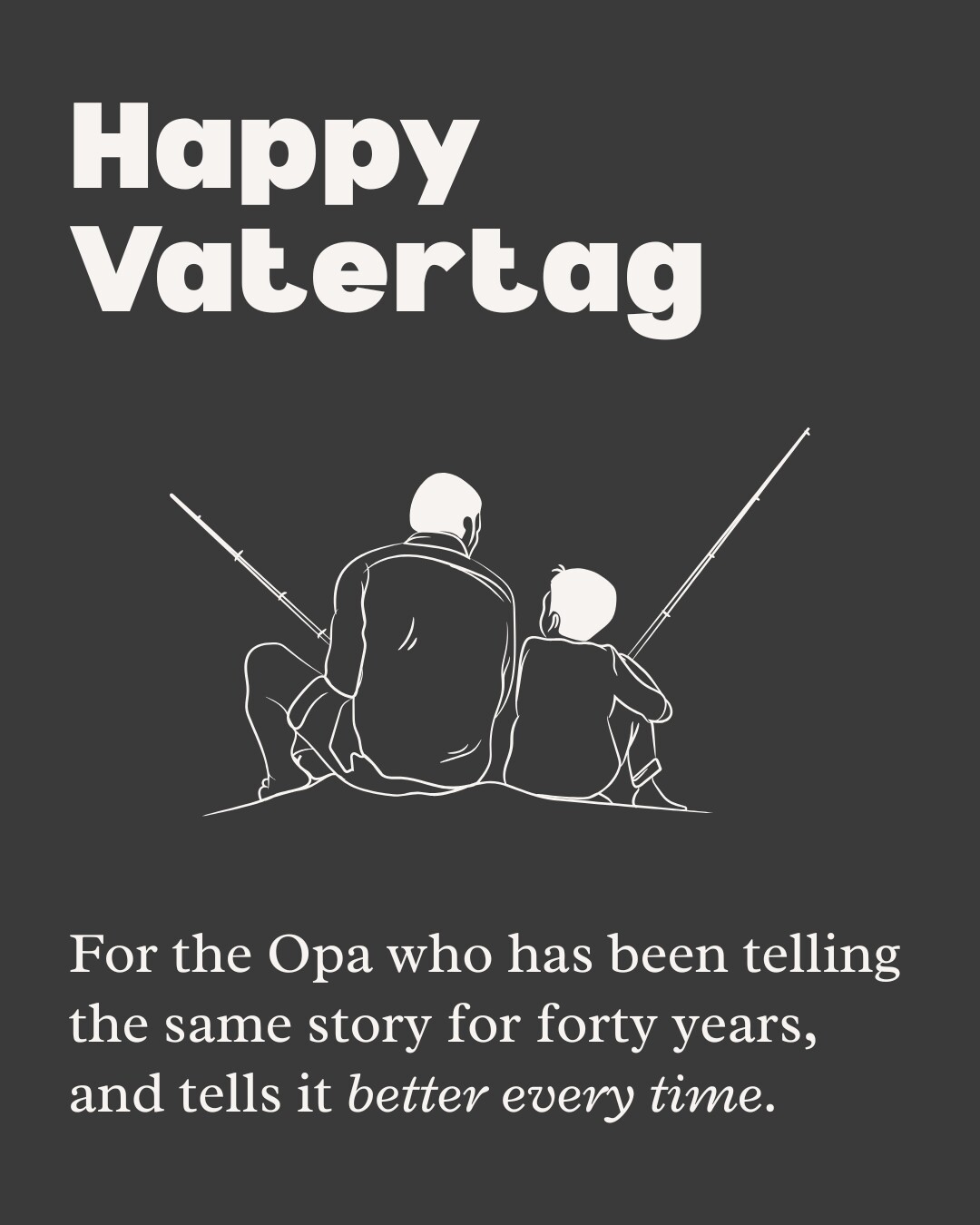
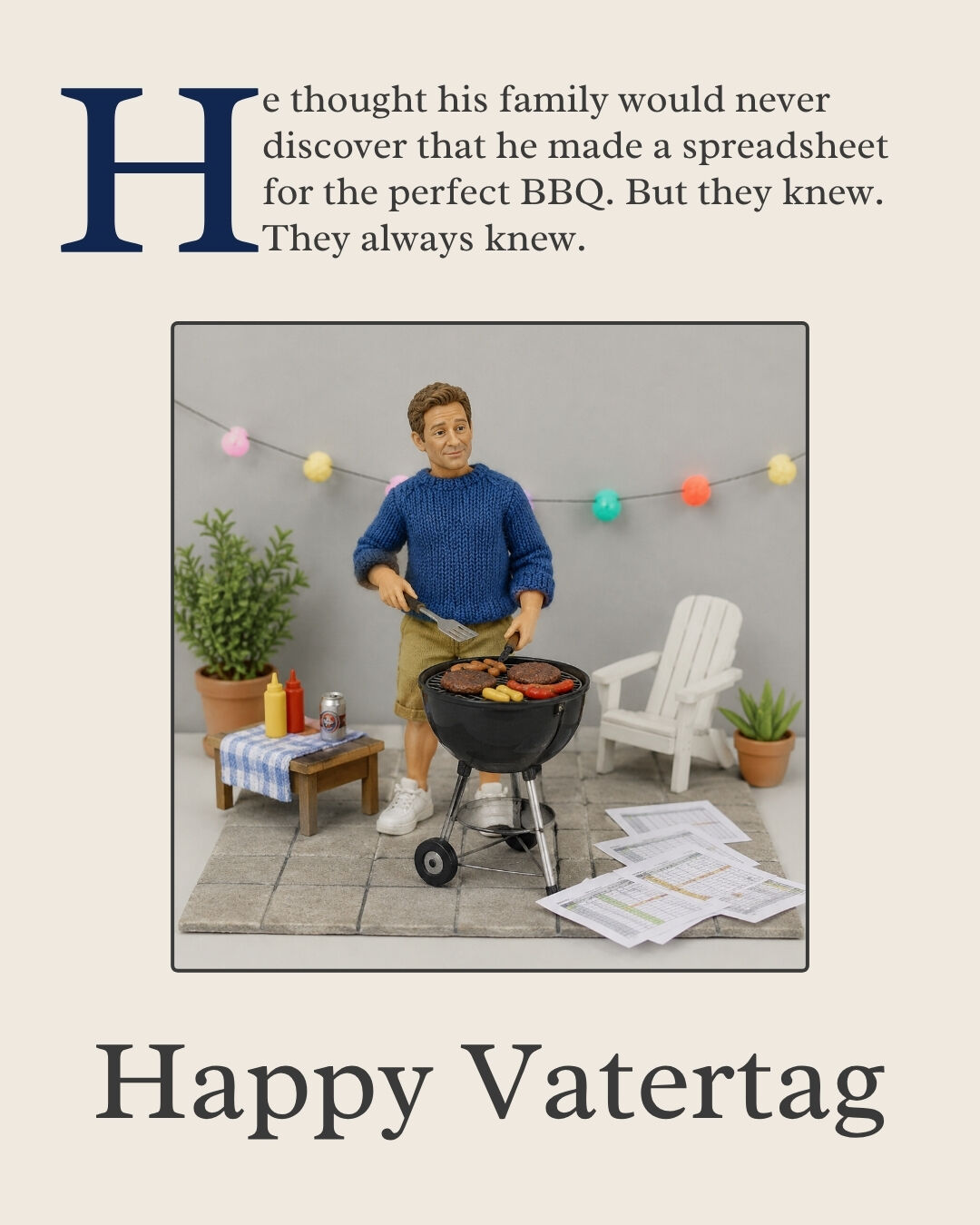
Vatertag eCards
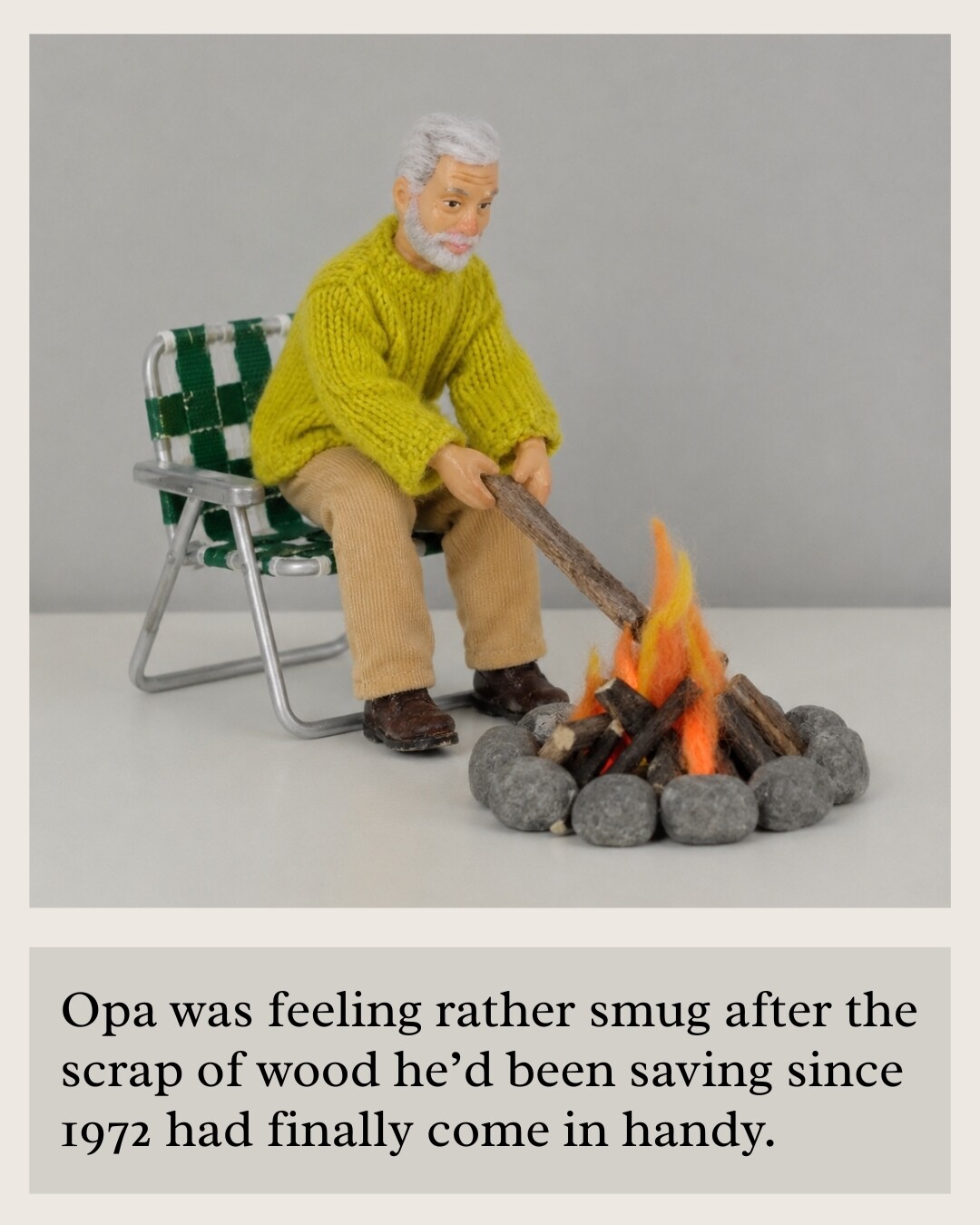
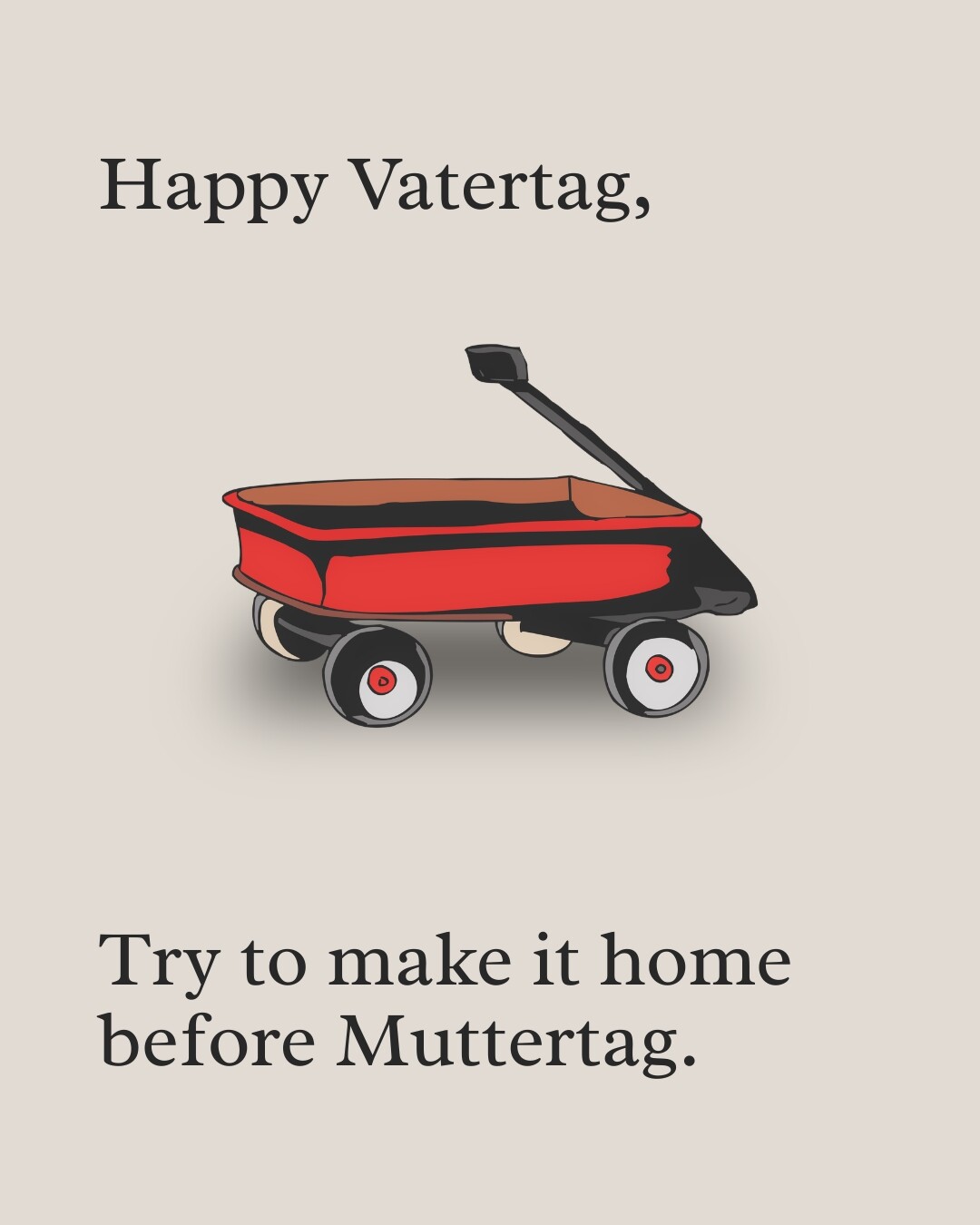
Save these to your gallery and let Papa/Opa know you're thinking of them and all their special ways.
Muttertag & Vatertag FAQ
When is Muttertag in Germany?
When is Muttertag in Germany?
Muttertag in Germany falls on the second Sunday in May, the same date as Mother's Day in the United States and Canada. In 2026 it lands on May 10. The tradition was formally adopted in Germany in 1923 and has kept the same calendar slot ever since.
When is Vatertag in Germany?
When is Vatertag in Germany?
Vatertag falls on Ascension Day, the Thursday forty days after Easter. That puts it somewhere between early May and early June, depending on the year. In 2026, Vatertag lands on Thursday, May 14. Unlike Muttertag, it is a public holiday across all of Germany.
Why is Father's Day in Germany on a Thursday?
Why is Father's Day in Germany on a Thursday?
Vatertag is tied to Ascension Day rather than a fixed calendar date. The connection dates back to 19th-century traditions of men's processions and outdoor gatherings on Ascension Day, which gradually merged with the idea of a day dedicated to fathers. The two have shared the calendar ever since.
What is Männertag or Herrentag?
What is Männertag or Herrentag?
Männertag and Herrentag are regional names for Vatertag, used mostly in eastern and northern Germany. Both translate roughly to "Men's Day" and refer to the same tradition of groups of men walking the countryside with a small wooden wagon, beer, and snacks, on Ascension Day.
How do Germans celebrate Mother's Day?
How do Germans celebrate Mother's Day?
Muttertag in Germany is usually low-key. Flowers, a handmade card from the kids, and a relaxed lunch at home are the standard combination. Brunch reservations and elaborate gifts are far less common than in North America. The day leans on quiet gratitude rather than spectacle.
How do Germans celebrate Father's Day?
How do Germans celebrate Father's Day?
The traditional Vatertag is a long outdoor walk with friends, usually pulling a Bollerwagen (small wooden wagon) loaded with beer and snacks. In many households today, especially those with young children, the day is shifting toward family time, small gifts, and a meal together.
Is Vatertag a public holiday in Germany?
Is Vatertag a public holiday in Germany?
Yes. Because Vatertag falls on Ascension Day, it is a national public holiday in Germany. Shops are closed, schools are out, and most workplaces give the day off. Muttertag, by contrast, is not a public holiday because it always falls on a Sunday.
What is the difference between Muttertag and Mother's Day in North America?
What is the difference between Muttertag and Mother's Day in North America?
Muttertag falls on the same Sunday as Mother's Day in the US and Canada, but the cultural format is different. German celebrations tend to be smaller, quieter, and more home-based, with less commercial pressure around brunches, gifts, or social media. The intensity is different, but the core idea is the same.

Eran Fulson
Keeping German heritage alive across an ocean and a generation.
Eran Fulson is Canadian-born, Welsh by choice, and German at heart. A diaspora son raising kids in Wales further from German heritage than his parents were from theirs, he runs German at Heart for families doing the same thing. He writes from his own family's story, with real sources behind every guide. He co-founded Tour My Germany with his mom (Just Like Oma) and his niece Lydia, drawing on 15+ years exploring Germany from Hamburg to Bavaria. Heimweh Letters, his newsletter, reaches thousands of subscribers every week.
did you know?
Over 800 million currywursts are eaten each year in Germany, and 70 million in Berlin alone.

Words to live by
Think of all the beauty still left around you and be happy!
- Anne Frank
Discover our Just Like Oma family of websites:


Across media platforms, the Just Like Oma family of websites are celebrated for making German cooking, travel, and heritage fun & simple to understand, and easily accessible for everyone!


















Thanks for visiting German at Heart!
I created this space to rediscover, celebrate, and pass on the parts of our culture that matter most. Things I learned from my parents, who you may know as Oma Gerhild and Pastor Wolle.
My hope is that this becomes a place where you can reconnect with your roots, share stories, and keep the spirit of family and tradition alive.
I invite you to follow along on social media as I share ideas, inspiration (and a few fun surprises along the way) as we continue exploring what it means to be German at heart!
Cheers!


Copyright © | German at Heart (Just like Oma) | A Fulson Media Group Inc. Brand | All Rights Reserved
Powered by: Make Your Knowledge Sell!
AFFILIATE DISCLOSURE: German at Heart is a brand of Fulson Media Group Inc., which participates in various affiliate advertising to provide a means to earn advertising fees by linking to retail websites. Additionally, this website is a participant in the Amazon Services LLC Associates Program, an affiliate advertising program designed to provide a means for sites to earn advertising fees by advertising and linking to amazon.com and affiliated sites. We do not promote products we do not own or would not buy ourselves. Our goal is to provide you with product information and our own personal opinions or ideas. At times, we will showcase services, programs, and products. We aim to highlight ones that you might find interesting, and if you buy future items from those companies, we may get a small share of the revenue from the sale. We are independently owned and the opinions expressed here are our own.
PHOTOGRAPHY: Throughout this site, you'll find mostly photos that we've taken. We also feature some reader-contributed images and curated stock IMAGES BY Deposit Photos and others, offering further perspectives on all things German.
YOU SHOULD ALWAYS PERFORM DUE DILIGENCE BEFORE BUYING GOODS OR SERVICES ONLINE.