What Went Right in Germany This Month, March 2026
By: Eran Fulson / Last Updated: March 30, 2026
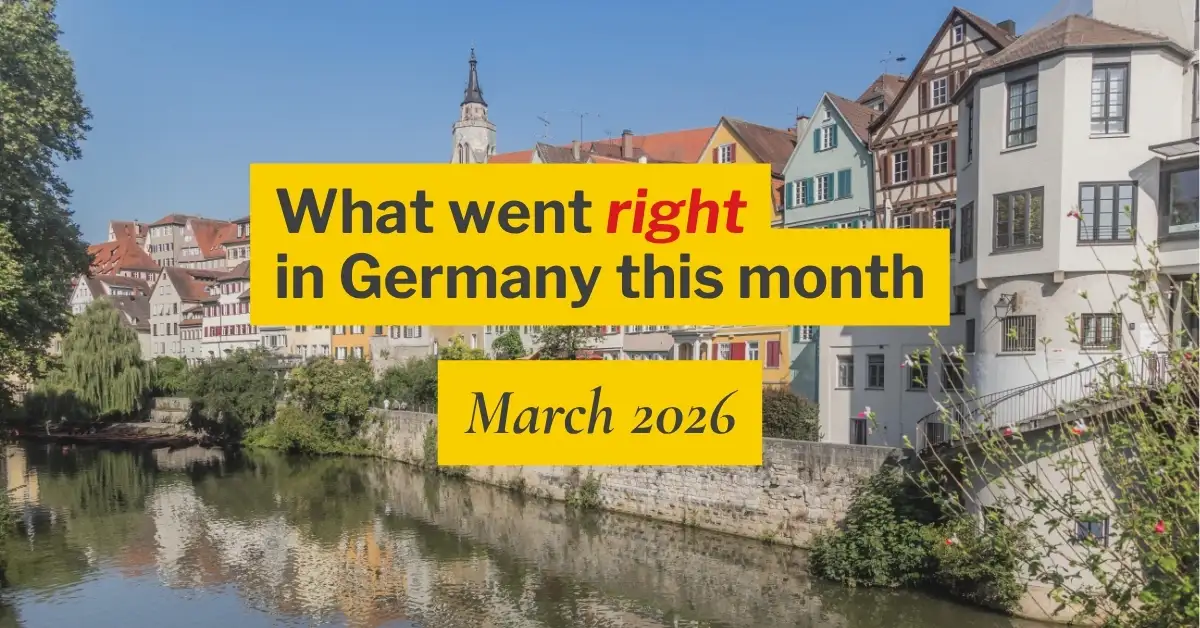
Good news from Germany in March 2026 had a quieter theme than the dramatic headlines demanding attention.
Instead, they were signs of something happily consistent. It was a country still taking care of its mind, its memory, and the places where public life carries on.
From top-tier academic recognition to childhood cultural icons, restored landmarks, and ideas made newly accessible, these five stories for March pointed to a Germany that still knows some things are worth preserving properly.
If you're missing Germany, or just wanting to keep up with headlines that aren't doom and gloom, this is the post to be reminded that there's still good news to be found.


Gerd Faltings Awarded the 2026 Abel Prize
German mathematician Gerd Faltings was named the 2026 Abel Prize laureate, one of the highest honours in mathematics.
The award recognised work that reshaped modern number theory, and German institutions highlighted the added milestone of him becoming the first German to receive it.
It is not the kind of story that needs much decoration. Serious work was done, the world noticed, and Germany got the credit.
Janosch Turns 95, and Tübingen Opens a Major Anniversary Exhibition
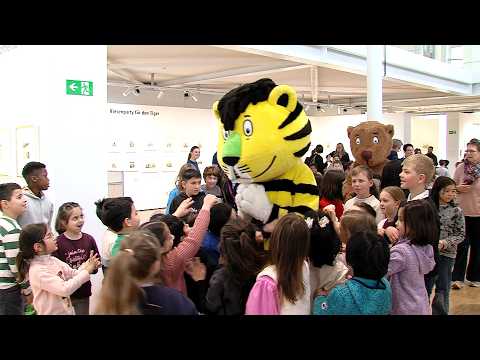
Janosch turned 95 in March, and Tübingen marked the occasion with a large anniversary exhibition featuring around 300 works, many of them being shown publicly for the first time.
More than a polite birthday nod, it's also a reminder that some cultural figures don't just belong to children's literature. They end up lodged in the emotional wallpaper of an entire generation.
Tigerente, Panama, that quietly strange little universe of his, tends to stay with people in a way that's hard to account for and harder to shake. For many Germans abroad, Janosch is less of an author and more of a childhood companion.
Germany’s First Dedicated Kant Museum Opens in Lüneburg
Germany's first dedicated Immanuel Kant museum opened in Lüneburg in March, housed in a permanent exhibition space connected to the Ostpreußisches Landesmuseum.
The more interesting part is how it's been framed. Rather than turning Kant into a historical relic, the museum is designed to make his ideas around freedom, morality, politics, and knowledge feel more accessible to visitors now.
That's a better use of heritage than preserving a famous name in formal silence. It's also a comforting sign that German intellectual culture is still being treated as something to share rather than something to quietly file away.
Kino International Reopens in Berlin
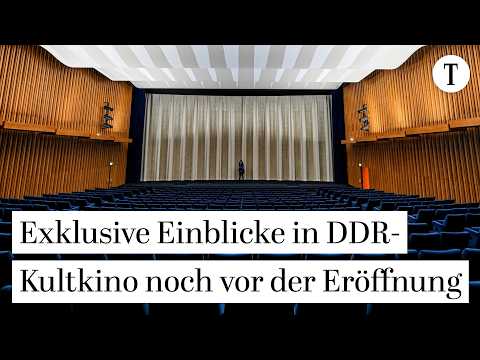
Berlin's Kino International reopened after a major renovation, restoring one of the city's best-known examples of East German modernist cinema architecture while also upgrading the building technically.
The renovation included proper technical upgrades alongside the restoration work, which means it isn't simply a handsome shell being maintained at a respectful distance from actual use.
It's still a working cinema and still serving a cultural purpose. These days, that's generally a better outcome than turning something old into a carefully managed memory of itself.
More Than 12,000 People Visit the Restored Hohenzollerngruft at Berlin Cathedral
The Hohenzollerngruft at Berlin Cathedral reopened after eighteen months of renovation work, and more than 12,000 people visited across the reopening weekend.
The story wasn't only about strong visitor numbers. Reporting also highlighted practical upgrades, including improved climate control and accessibility, which suggests this was less a ceremonial reopening and more an effort to care for the space properly over the long term.
Germany does love a restoration project, but to be fair, this one seems to have been done with some sense.
What March Brought to Germany
None of these stories felt especially earth-shattering, which is partly why they deserved mentioning.
Taken together, they pointed to a Germany still serious about cultural memory, public life, and intellectual substance. Not perfect, obviously, and not suddenly transformed into a flawless land of efficiency and inner peace. But still capable of honouring achievement, preserving meaning, and keeping a few important things in working order.
Given the general dumpster fire of mainstream headlines today, these stories feel like good news is still out there.

Eran Fulson
Keeping German heritage alive across an ocean and a generation.
Eran Fulson is Canadian-born, Welsh by choice, and German at heart. A diaspora son raising kids in Wales further from German heritage than his parents were from theirs, he runs German at Heart for families doing the same thing. He writes from his own family's story, with real sources behind every guide. He co-founded Tour My Germany with his mom (Just Like Oma) and his niece Lydia, drawing on 15+ years exploring Germany from Hamburg to Bavaria. Heimweh Letters, his newsletter, reaches thousands of subscribers every week.
did you know?
Over 800 million currywursts are eaten each year in Germany, and 70 million in Berlin alone.
Words to live by
Think of all the beauty still left around you and be happy!
- Anne Frank
Discover our Just Like Oma family of websites:



Across media platforms, the Just Like Oma family of websites are celebrated for making German cooking, travel, and heritage fun & simple to understand, and easily accessible for everyone!


















Thanks for visiting German at Heart!
I created this space to rediscover, celebrate, and pass on the parts of our culture that matter most. Things I learned from my parents, who you may know as Oma Gerhild and Pastor Wolle.
My hope is that this becomes a place where you can reconnect with your roots, share stories, and keep the spirit of family and tradition alive.
I invite you to follow along on social media as I share ideas, inspiration (and a few fun surprises along the way) as we continue exploring what it means to be German at heart!
Cheers!


Copyright © | German at Heart (Just like Oma) | A Fulson Media Group Inc. Brand | All Rights Reserved
Powered by: Make Your Knowledge Sell!
AFFILIATE DISCLOSURE: German at Heart is a brand of Fulson Media Group Inc., which participates in various affiliate advertising to provide a means to earn advertising fees by linking to retail websites. Additionally, this website is a participant in the Amazon Services LLC Associates Program, an affiliate advertising program designed to provide a means for sites to earn advertising fees by advertising and linking to amazon.com and affiliated sites. We do not promote products we do not own or would not buy ourselves. Our goal is to provide you with product information and our own personal opinions or ideas. At times, we will showcase services, programs, and products. We aim to highlight ones that you might find interesting, and if you buy future items from those companies, we may get a small share of the revenue from the sale. We are independently owned and the opinions expressed here are our own.
PHOTOGRAPHY: Throughout this site, you'll find mostly photos that we've taken. We also feature some reader-contributed images and curated stock IMAGES BY Deposit Photos and others, offering further perspectives on all things German.
YOU SHOULD ALWAYS PERFORM DUE DILIGENCE BEFORE BUYING GOODS OR SERVICES ONLINE.